Fin Rot in Betta Fish: Causes, Symptoms, and Treatment
At a Glance
- Fin Rot is Bacterial, Not Fungal: Fin rot is a bacterial infection (primarily Flavobacterium columnare) that causes fin tissue to erode. It is commonly misidentified as a fungal infection, but requires antibacterial treatment.
- Water Quality is the Primary Trigger: Fin rot is an opportunistic disease usually caused by high ammonia, nitrite, or nitrate levels which stress the betta’s immune system and allow bacteria to take hold.
- Two-Step Treatment Process: Successful recovery requires improving water quality (30–50% water changes) combined with antibacterial medication like Seachem KanaPlex for moderate to severe cases.
- Fins Can Regrow: With proper treatment and clean water, a betta’s fins can regrow, though the new tissue may initially appear transparent before regaining its original color.
You notice something’s off. The edges of your betta’s fins look ragged, maybe a little shorter than they were last week. Or there’s a pale, washed-out patch where the color used to be bright. It’s easy to second-guess yourself. Fish fins can look different depending on the light. But if the damage seems to be spreading, there’s a good chance you’re looking at fin rot.
The good news: fin rot is one of the most common problems betta owners deal with, and it’s very treatable when you catch it early.
What Is Fin Rot?
Fin rot isn’t a single disease with a single cause. It’s a term for a specific type of damage: bacterial infection that causes the fin tissue to break down and die, working inward from the edges.1
Several different bacteria can cause it. The most common culprit is Flavobacterium columnare, which has been directly documented causing severe fin erosion in ornamental fish, but other bacteria including Aeromonas, Pseudomonas, and Vibrio are involved too.1
One thing worth knowing: you’ll sometimes see fin rot described as a fungal infection, even in otherwise reputable sources. This is a longstanding mix-up in the hobby. Veterinary and peer-reviewed literature is clear that fin rot is bacterial. Fungi can appear as secondary invaders in already-damaged tissue, but they don’t typically cause fin rot.1 The confusion probably comes from the fact that bacterial lesions can look similar to fungal growths.
What Does Fin Rot Look Like?
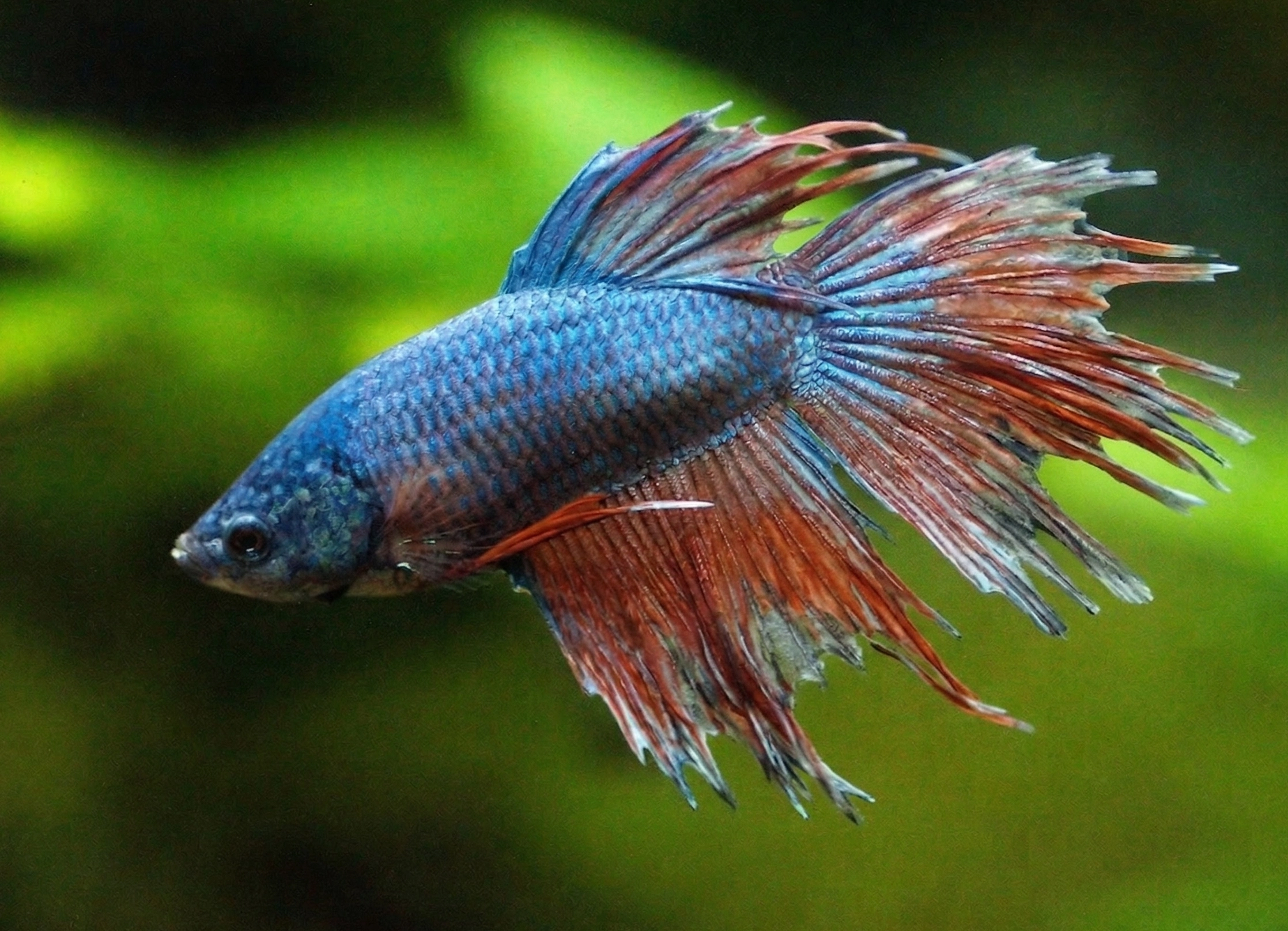
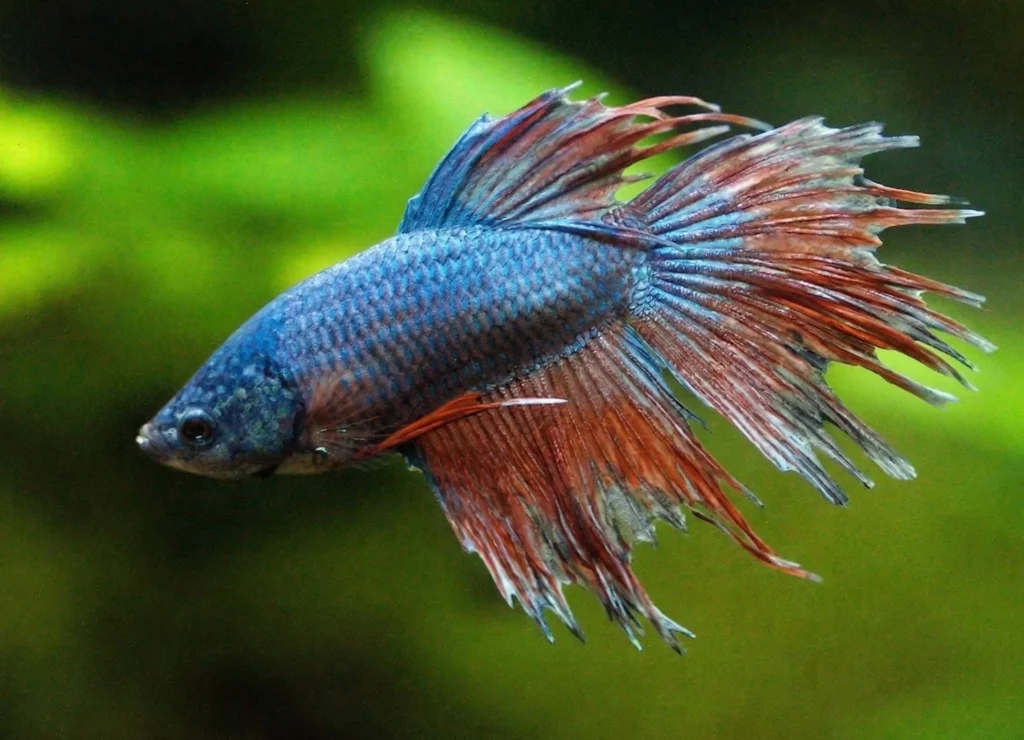
The most characteristic sign is fin edges that look like they’ve been eaten away, becoming ragged and uneven over time.3 The affected fins may also look more transparent than usual, or duller in color.4
In some cases, infected tissue takes on a pale yellowish tinge. This is caused by a pigment produced by Flavobacterium columnare as it colonizes the tissue.5
As fin rot progresses, the damage moves inward from the edges. In severe untreated cases, infection can spread from the fins onto the body and peduncle, the base of the tail.1 That’s a much more serious situation that requires prompt veterinary attention.
Beyond the fins themselves, a betta with fin rot may also show other signs of illness: clamped fins held tight against the body, lethargy, or reduced interest in food.4
Is It Fin Rot or a Fin Tear on Your Betta?
Physical fin tears from tank decor or an aggressive tank mate can look a lot like early fin rot. Here’s how to tell them apart:
| Fin Tear | Fin Rot |
| Cleaner edges; looks like a split or a rip. | Ragged, frayed, or eroded edges. |
| Appears suddenly, often overnight. | Spreads gradually over several days. |
| Progression stops immediately once the physical cause (e.g., sharp decor) is removed. | Continues to get worse week over week if left untreated. |
| Surrounding tissue looks healthy; may show redness or visible blood vessels at the site. | Color changes or increased transparency in the tissue surrounding the damage. |
| Primary cause is physical injury or trauma. | Primary cause is infection, often triggered by poor water quality or stress. |
It’s also worth knowing that these two things aren’t mutually exclusive. A fin tear from aggressive tank mates can become infected and turn into fin rot if water quality is poor.4 So if you’ve recently had a nipping incident, keep a closer eye on things.
What Causes Fin Rot?
Fin rot is almost always a secondary condition, meaning the bacteria responsible are opportunistic pathogens that take advantage of a fish that’s already stressed or compromised.7
The most common trigger is poor water quality. When ammonia, nitrite, or nitrate build up in the tank, it puts constant stress on your betta’s immune system. That stress response suppresses immune function, and the bacteria that cause fin rot are opportunistic. They’re often already present in the water, just waiting for the fish’s defenses to drop.7
Read More: How to Cycle Your Betta Tank: A Beginner’s Guide to the Nitrogen Cycle
Other contributing factors include:
- Physical fin damage. Nipping from tank mates creates open wounds that bacteria can colonize. Bettas are particularly vulnerable here because of their long, flowing fins.1
- Stress from overcrowding or high temperatures. Both are documented predisposing factors.2
- Age. There’s some anecdotal suggestion that bettas older than about 18 months may be more susceptible, though this isn’t well studied.6
The pattern you’ll notice is that fin rot is usually a symptom of a larger problem in the tank environment, not a random illness that strikes out of nowhere.
How to Treat Fin Rot in Betta Fish
Treatment has two parts, and you need both. Medication alone won’t work if you haven’t fixed the water first. The research is direct on this point.7 And a water change alone usually won’t clear an established infection.
Step 1: Fix the Water First
Before reaching for any medication, do a significant water change of at least 30–50% with properly dechlorinated, temperature-matched water.
Test your water if you haven’t recently. You’re looking for zero ammonia, zero nitrite, and nitrate under 20 ppm. If those numbers are off, address them before anything else. A clean environment both removes the bacterial load and reduces the stress that’s making your betta susceptible.
While you’re treating, increase the frequency of your water changes. Some keepers do small daily changes during treatment to keep bacterial levels low.
Read More: Betta Tank Cleaning & Maintenance
Step 2: Medication
For mild fin rot caught early (just some edge ragging, no spreading damage, no behavioral changes), improved water quality alone sometimes resolves it. Watch closely for a week before deciding whether medication is needed.
For moderate or progressing fin rot, you’ll need an antibacterial medication.7 Because fin rot is bacterial, you want a product that targets bacteria specifically.1
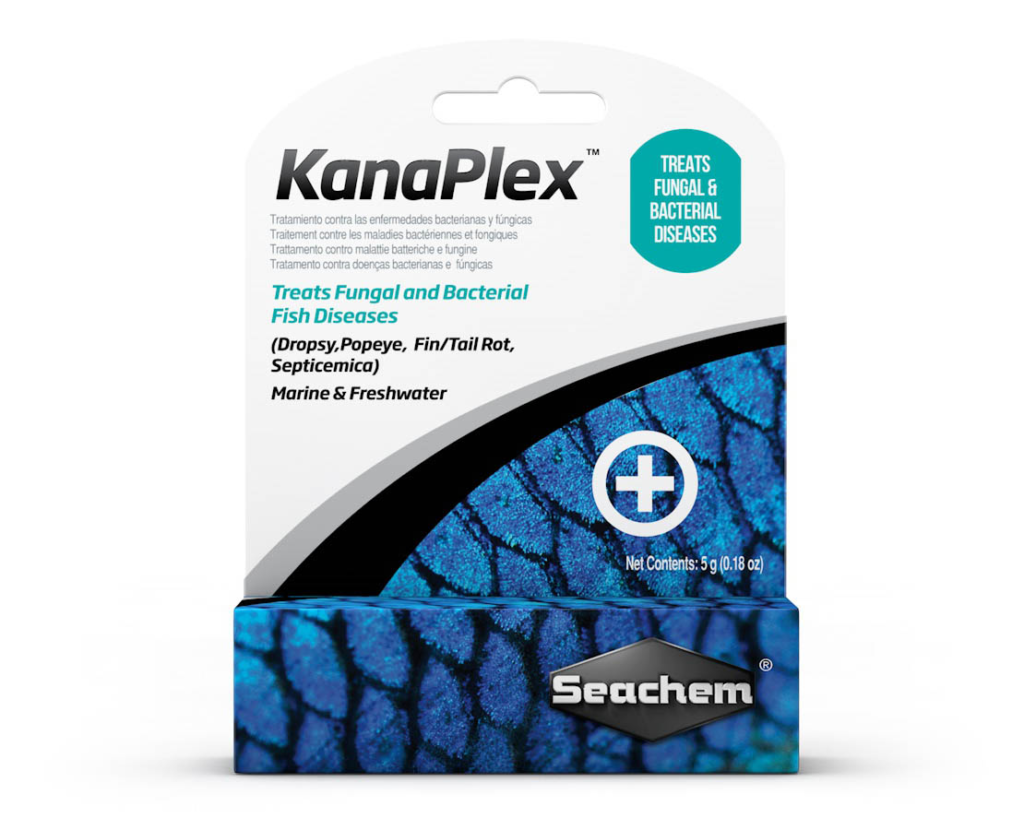
The most widely recommended option among betta keepers is Seachem KanaPlex (kanamycin-based), which is absorbed through the skin and gills and doesn’t require the fish to eat. It’s available at most pet stores and online. Follow the manufacturer’s dosing instructions and complete the full course.
You may also see API Melafix or API Bettafix recommended for fin rot. These are mild tea tree oil-based treatments that are widely available at pet stores. There’s an ongoing debate in the hobby about whether the oils in these products can interfere with bettas’ labyrinth organ, the structure that lets them breathe air at the surface. The evidence isn’t conclusive either way, but it’s worth knowing before you use them. Bettafix is the lower-concentration version formulated specifically for bettas, so if you want to try this route for a mild case, that’s the one to reach for. For moderate or severe fin rot, a true antibiotic is the stronger choice.
A hospital tank is useful if your main tank has other fish, substrate, or plants that could interact with medication. It also makes water changes easier during treatment.
Fin rot is contagious.9 The bacteria spread through shared water, and dead fish shed bacteria at a higher rate than live ones, so remove any deceased tank mates promptly. If you have other fish in the tank, watch them closely.
Does Aquarium Salt Treat Fin Rot?
Aquarium salt gets recommended a lot for fin rot. The research tells a more complicated story: salt can kill fin rot bacteria in lab conditions, but studies using live fish haven’t shown it to be therapeutically effective against active bacterial infections.1 Salt is fine for some conditions, but it’s not a reliable treatment here.
Antifungal medications won’t work on bacterial fin rot. If a product is labeled for fungal infections only, skip it.
Will My Betta’s Fins Grow Back?
They can, yes, if you caught it early enough and treated it effectively.6
There’s one thing to prepare for: regrown areas often come in looking different than the original tissue. They’re frequently transparent or “cellophane” rather than the original color.6 In some bettas this fills in over time; in others the clear sections are permanent. It’s a cosmetic outcome, not a health concern.
One thing that does help: fish heal faster at the warmer end of their preferred temperature range.7 Keeping your tank between 78°F and 80°F during recovery gives your betta’s tissue repair its best chance. Continue treatment until the fin edges look clean and you can see new growth coming in.
How to Prevent Fin Rot in Betta Fish
Fin rot can come back, and it often does. That’s usually a sign the underlying conditions haven’t been fully resolved. Recurring fin rot is almost always a water quality story.
The best long-term prevention is straightforward: consistent water changes, removing uneaten food before it can decay, and keeping your tank properly cycled.8 Good water quality keeps bacterial levels in check and keeps your betta’s immune system functioning normally.
If fin rot is recurring despite good water quality, look at other stressors: temperature swings, aggressive tank mates, overcrowding, or a tank that might be too small.
If your betta’s fins are deteriorating rapidly, you’re seeing open wounds, or the infection appears to be spreading to the body, consult an aquatic veterinarian. Severe cases may need prescription-strength antibiotics.