
This is the supply list behind every guide on this site. These are the specific tanks, heaters, filters, food, and water care products I’d buy today if I were setting up a betta tank from scratch.
Every product here was chosen through my own independent research, against the same care standards laid out in the guides. I tried to pick products from brands that are readily available in most American fish stores or online, but no brand has paid to appear on this page or to be endorsed, and no brand had any say in what I picked. Some of the links below are affiliate links, which means that if you buy through one, KnowBetta may earn a small commission at no extra cost to you.
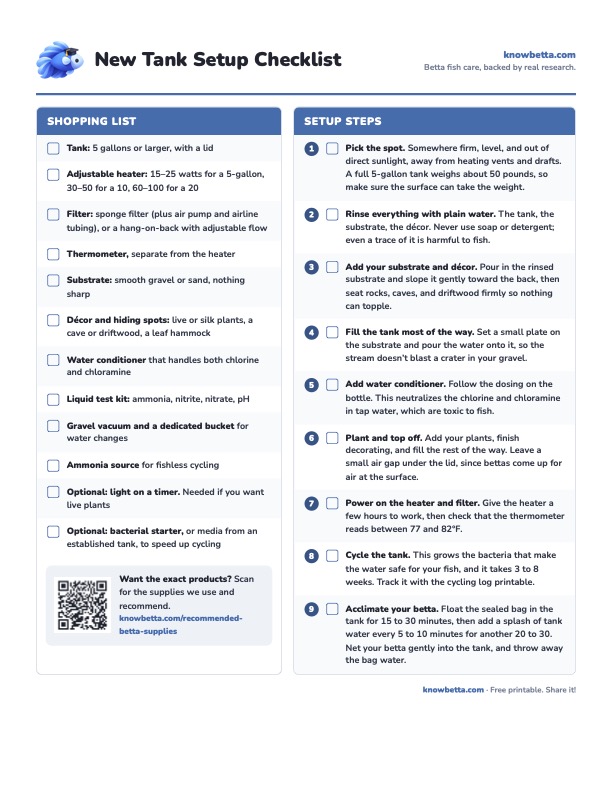
New Tank Setup Checklist
Shopping for a brand-new setup? Print my free new tank setup checklist first and take it to the store for quick reference guide on the go.
The Best Betta Fish Tanks
The best tank for a betta is a 5-gallon or larger with a long, low footprint; length matters more than height for a fish that breathes at the surface. Here’s why tank size matters if you want the research.
You’ll notice there are no starter kits below. Kits are convenient and the tanks themselves are fine, but two things aren’t ideal for bettas: the filter is a hang-on-back running at fixed flow, and the hood has open breakouts in the back for equipment that a betta can jump straight through. If you already own a kit, you can still make it work. Keep the tank, cover any openings on the hood with some mesh, and swap the filter to one of the recs below.
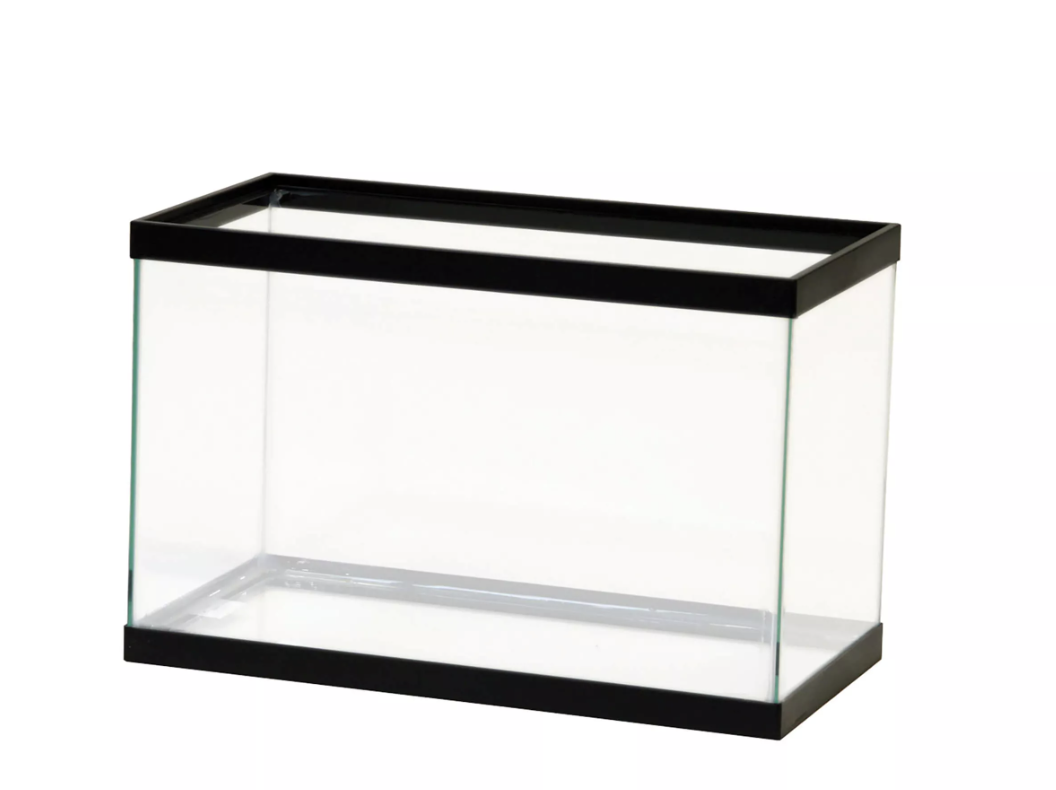
Aqueon Standard 5.5-Gallon
A budget classic, and the cheapest way to hit the 5-gallon minimum without compromises. The long, low footprint gives a betta the horizontal swim room they actually use (they’re surface breathers, so length matters more than height), and the standard size means lids, lights, and stands are everywhere. Buy a 16″ x 8″ glass top separately; bettas jump.
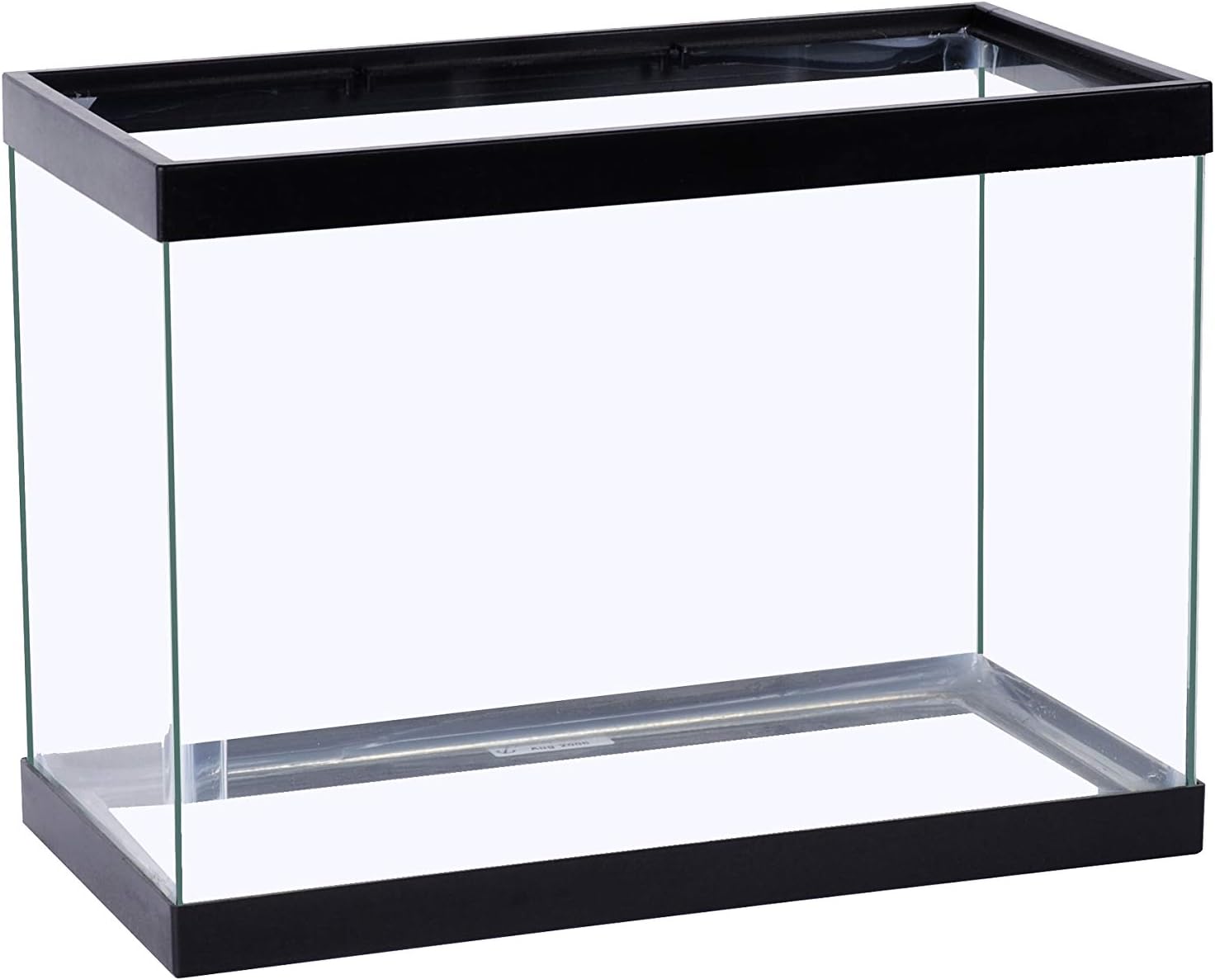
Tetra Glass Aquarium 5.5 Gallons
Another tried-and-true brand that hits the 5-gallon minimum if you can’t find the Aqueon model in your local stores. Takes the same 16″ x 8″ glass top, but measure your tank before you order, since canopies are cut to fit one manufacturer’s frame.
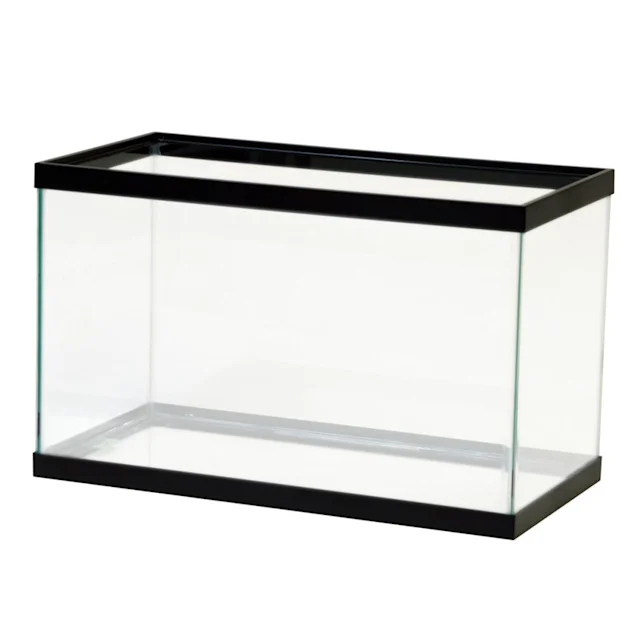
Aqueon Standard 10-Gallon
If you have the counter space, A standard 10-gallon is often barely more expensive than a 5.5 (Petco’s dollar-per-gallon sales are famous for a reason), it’s noticeably easier to keep stable, and it keeps the door open for tank mates later. If you’re on the fence between sizes, take the 10. Takes a 20″ x 10″ glass top.
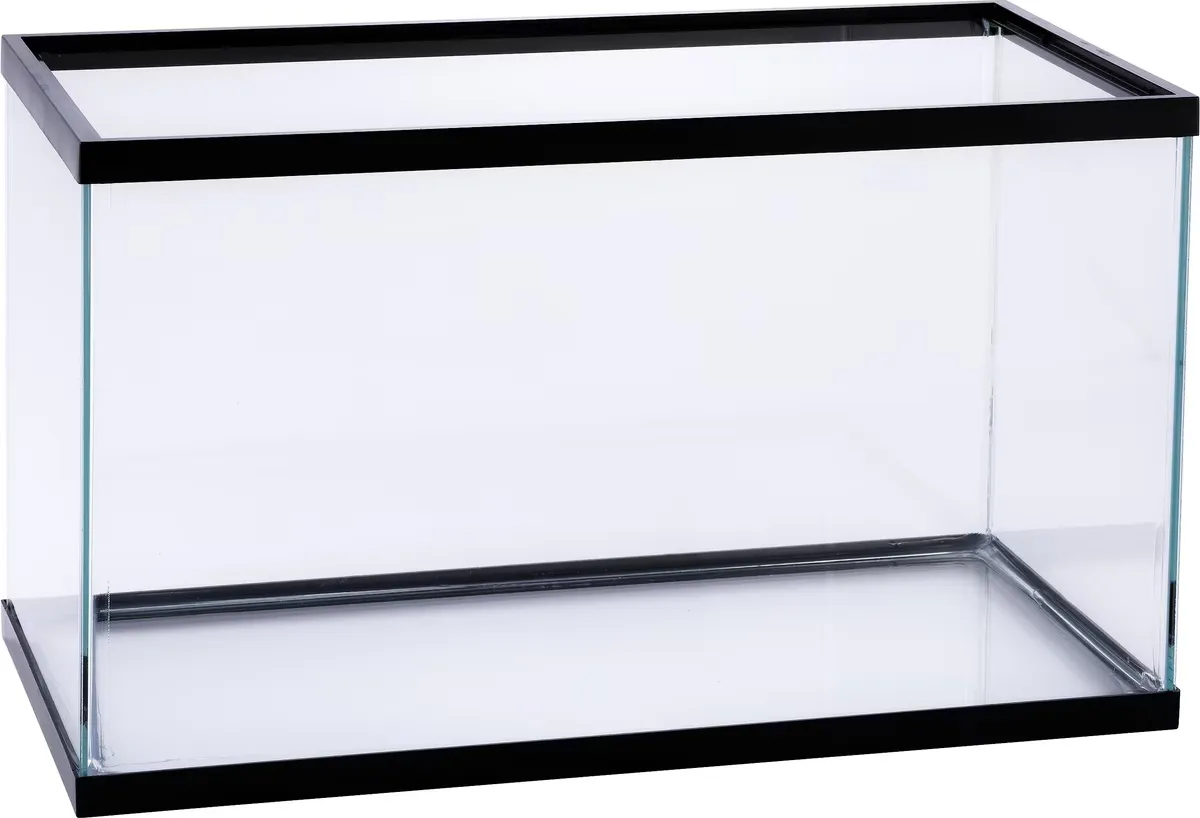
Tetra Glass Aquarium 10 Gallons
The same 20″ x 10″ x 12″ tank size if you can’t find the Aqueon. Also takes a 20″ x 10″ glass top.
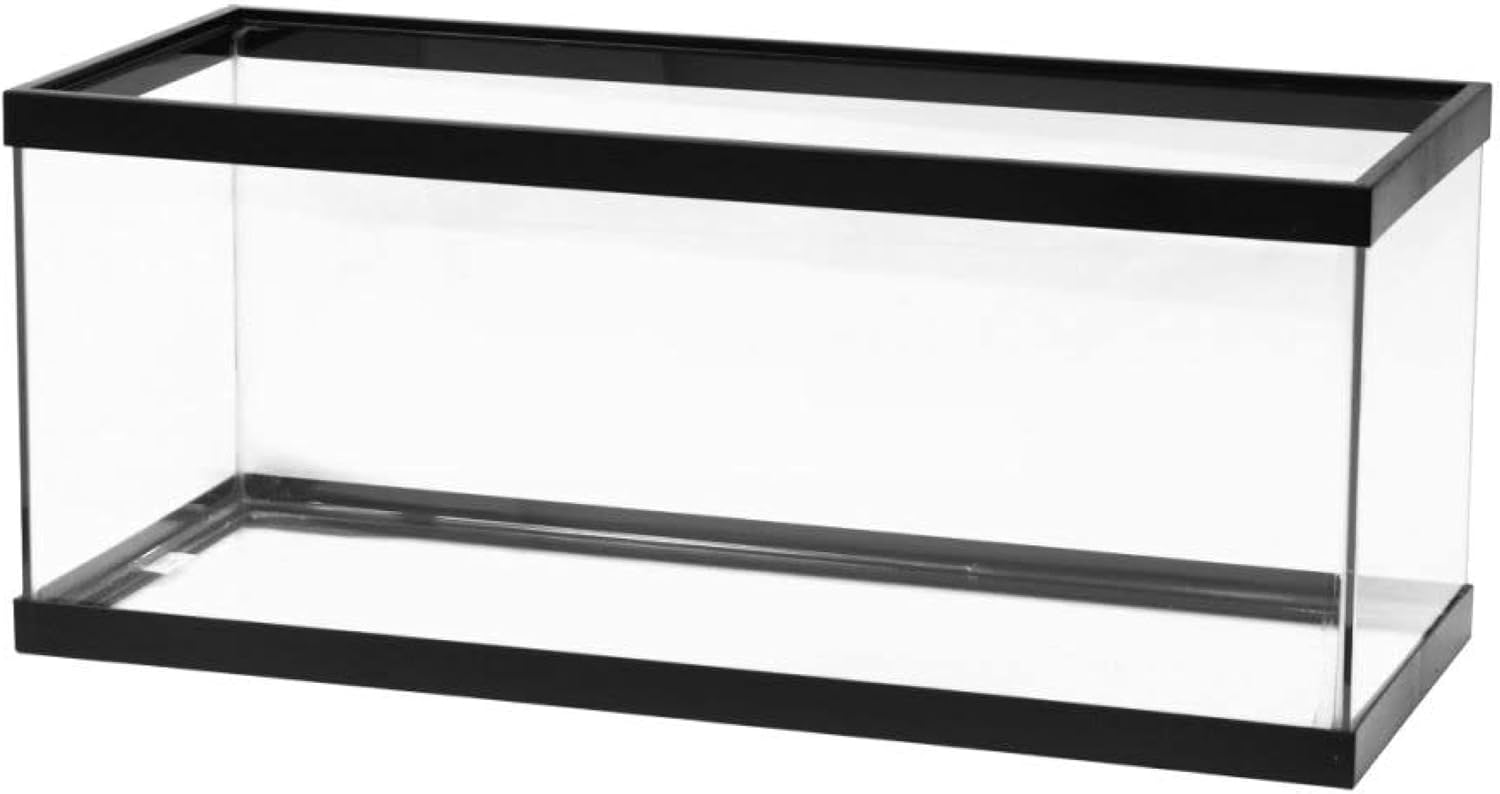
Aqueon Glass 20 Gallon Long Tank
For a larger community tank, a 20-gallon is a solid pick. I recommend choosing the Long profile over the Standard or High to provide as much surface area as possible for your Betta fish, as well as horizontal swimming room. Takes a 30″ x 12″ glass top.
A quick note on placement: A filled 10-gallon runs about 100 pounds and a 20-long closer to 225, which is heavier than a lot of bookshelves and dressers are built for. Get an aquarium stand sized to the tank, or use something sturdy and level.
The Best Lid & Light for a Betta Tank
Every betta tank needs a lid. Bettas jump, and an open top or an unfilled gap around a filter is one of the most common (and completely avoidable) way to lose a fish. While full canopy lids with built-in light (like the ones that come with most starter kits) are convenient, they frequently leave gaps in the back for filters and heaters that make it very easy for a jumpy betta to slip out. Because of that, I recommend glass canopy lids as the safest option, which does mean buying a light separately.
Aqueon Versa-Top Hinged Glass Canopy
This kind of hinged glass design is made by a number of different brands, and honestly, there’s not much difference between them. I picked the Aqueon simply because they make them for all of the tank sizes listed above. Most importantly, each one includes a clear vinyl back strip you cut to fit around your heater cord, airline tubing, or filter outflow, which is the part that actually closes the gaps most people forget about. Fit reports on the smallest size are mixed, so make sure to measure the inside lip of your tank frame before you order.
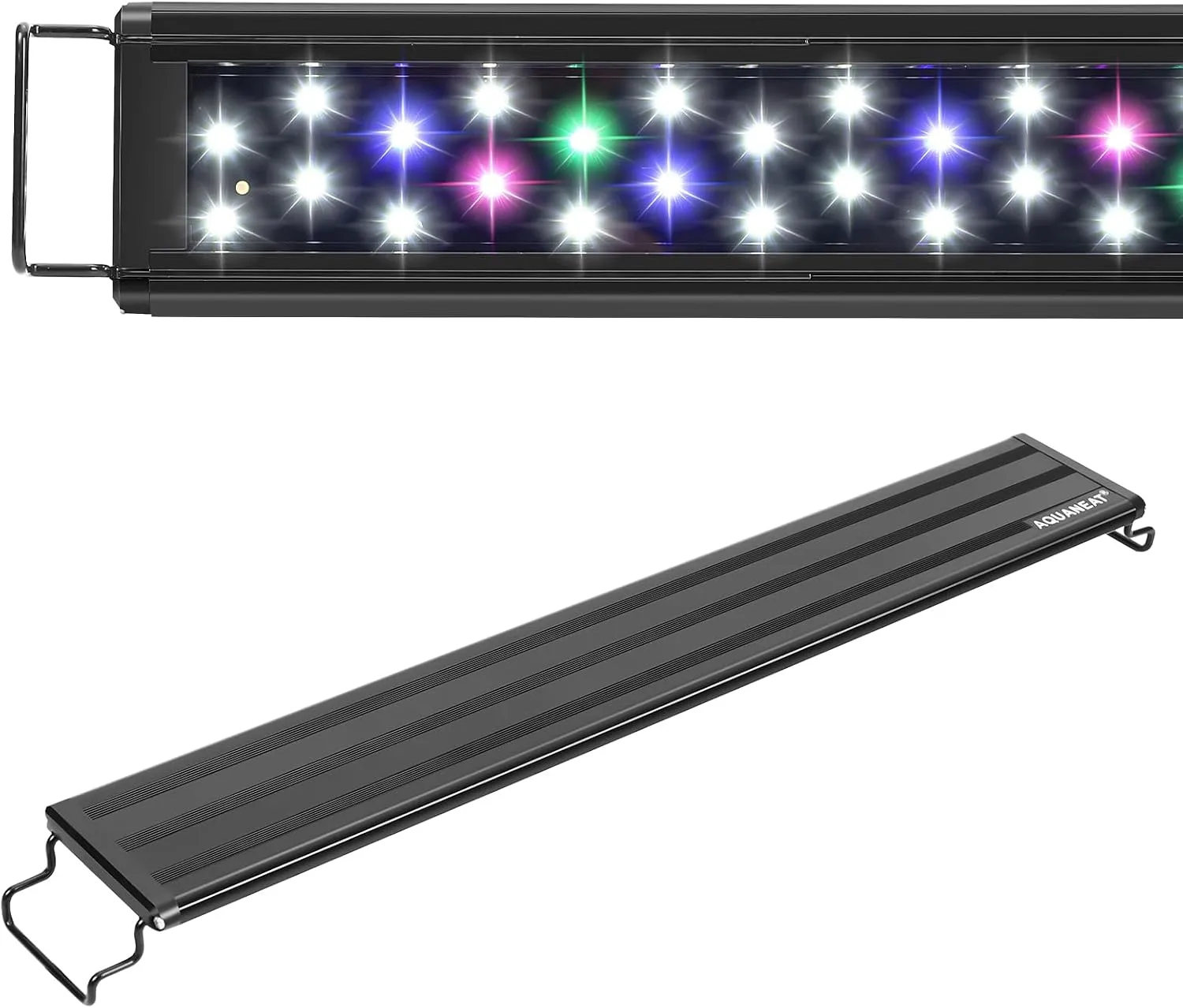
AQUANEAT LED Aquarium Light
This light is a fraction of the price of comparable ones you would find in most pet stores. Full spectrum white, blue, pink, and green are plenty for java fern, anubias, and java moss, and it makes a betta’s color pop without inviting the algae a stronger light would. It has extendable brackets that rest on the rim of a standard framed tank. Get the 16″-20″ for a 5.5-gallon, the 18″-24″ for a 10, or the 30″-38″ for a 20-long.
The Best Heater for a Betta Tank
The best heater for a betta tank is a fully adjustable one sized at 3 to 5 watts per gallon, enough to hold a steady 77–82°F. My tank setup guide covers sizing and placement in detail.
For a 5-Gallon Tank
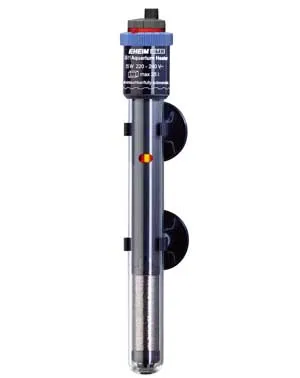
EHEIM Jager Aquarium Thermostat Heater 25W
My pick for a 5-gallon. It’s fully adjustable (rare for small tank heaters), with a TruTemp dial that lets you recalibrate if the reading ever drifts. 25 watts is enough to reach temperature in a cool room, but not enough to cook five gallons if the thermostat sticks. The body is laboratory glass, so handle it like a light bulb.
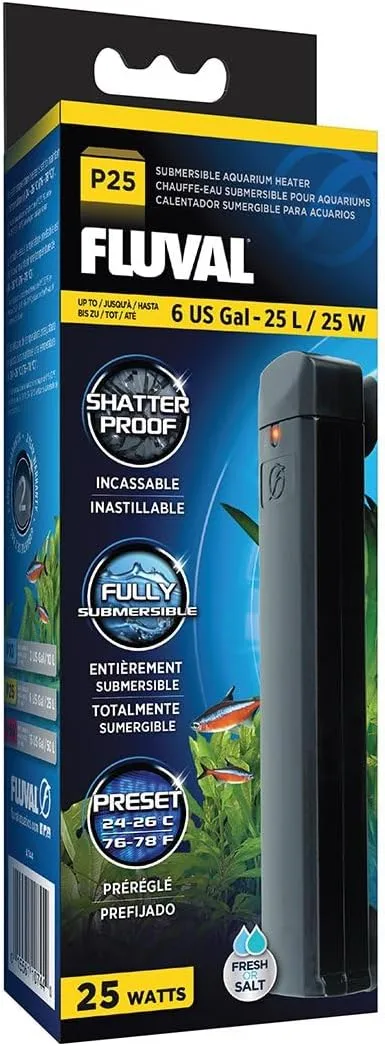
Fluval P25 Submersible Aquarium Heater
Preset to 76–78°F with no dial to fuss with, rated to 6 gallons, shatterproof polymer body, and a two-year warranty. The tradeoff is the preset itself, as 76-78°F is at the bottom of a betta’s range rather than the middle. Good in a warm room, less so in a cold one.
For a 10 to 15-Gallon Tank
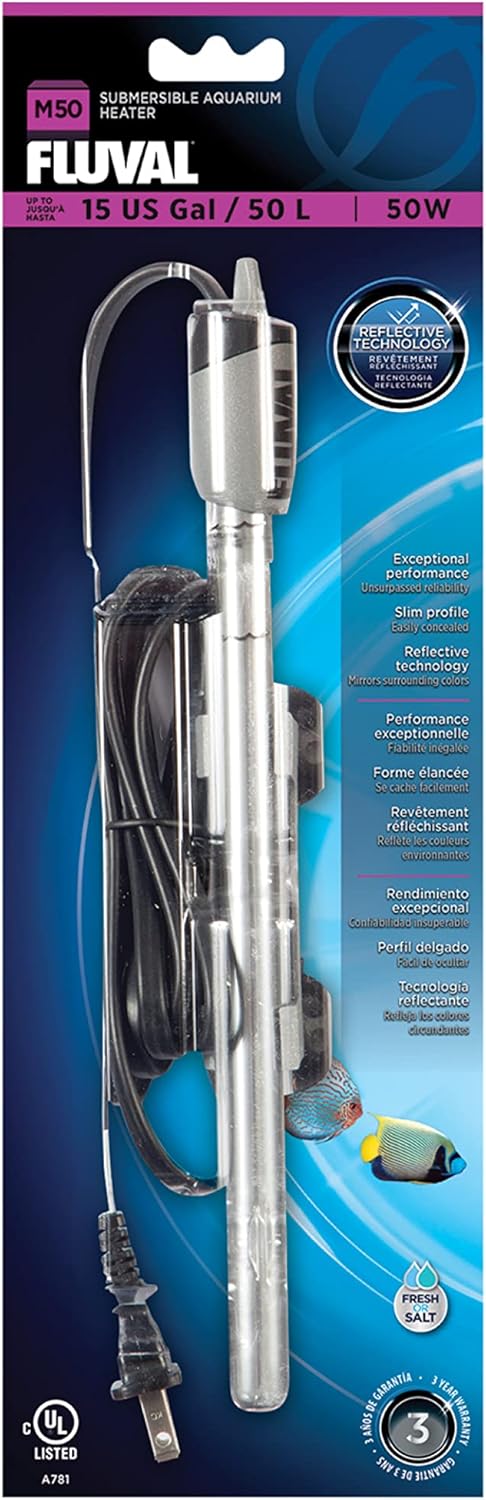
Fluval M 50-Watt Submersible Aquarium Heater
Suitable for tanks 10 to 15 gallons. Features a temperature dial that lets you set your tank temperature between 66-86 degrees. This one you might be able to find in your local pet store, but I find they tend to stock the ones for larger tanks more consistently, so check online.
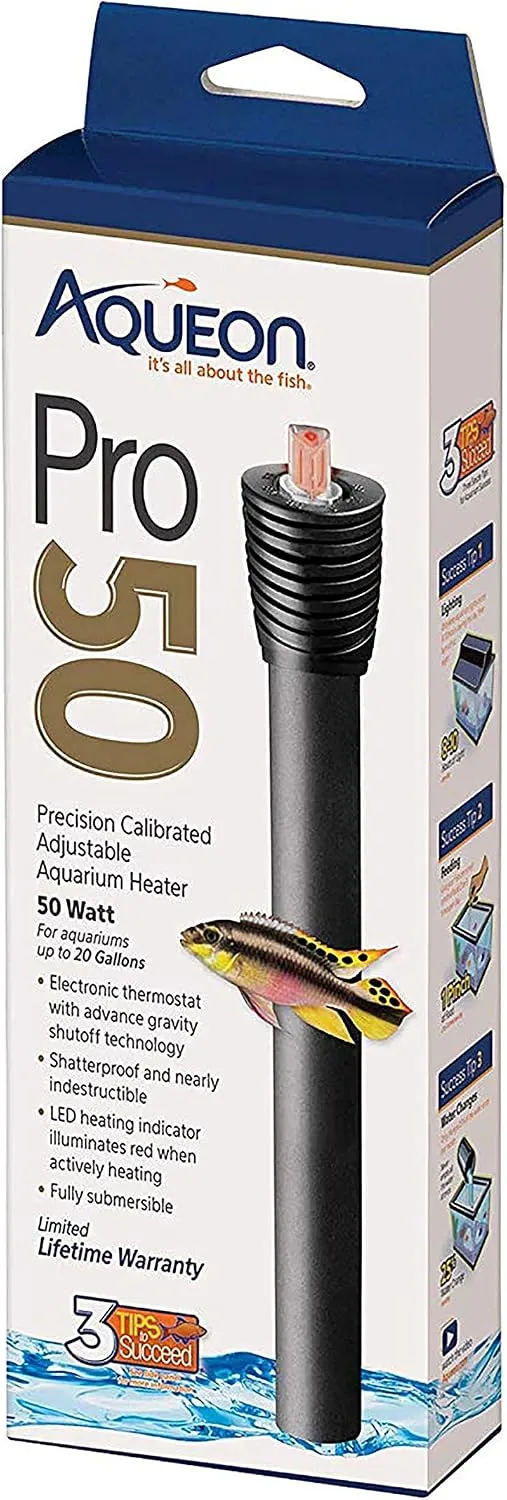
Aqueon Pro 50-Watt Adjustable Heater
Electronic thermostat rated to ±1°F, shatterproof housing instead of glass, adjustable 68-88°F, and a limited lifetime warranty. A solid pick all around.
For a 20-Gallon Tank

Aqueon Pro 100-Watt Adjustable Heater
Same electronic thermostat, shatterproof body, and lifetime warranty as the 50-watt, in the size a 20-gallon needs. Thirty inches is a lot of water to heat from one point, so put it near your filter’s outflow and keep your thermometer at the far end.
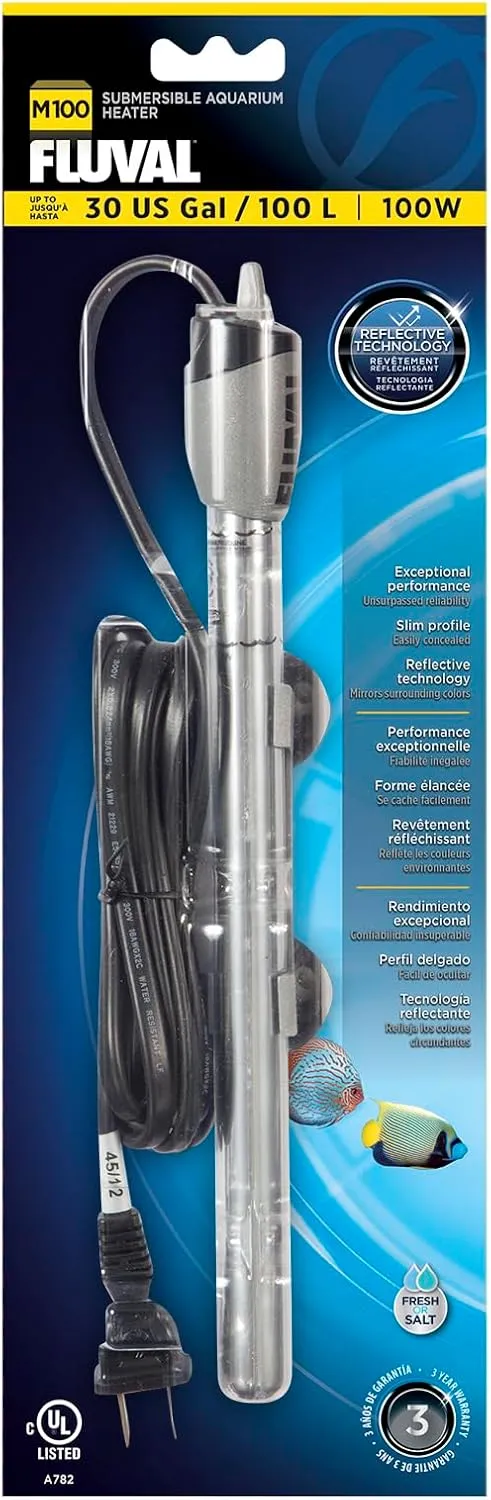
Fluval M 100-Watt Submersible Aquarium Heater
The budget option. Rated to 30 gallons, same mirrored finish, same dial. Fluval skips 75 watts entirely, so 100 is the closest fit they make for a 20-gallon.
For All Tanks
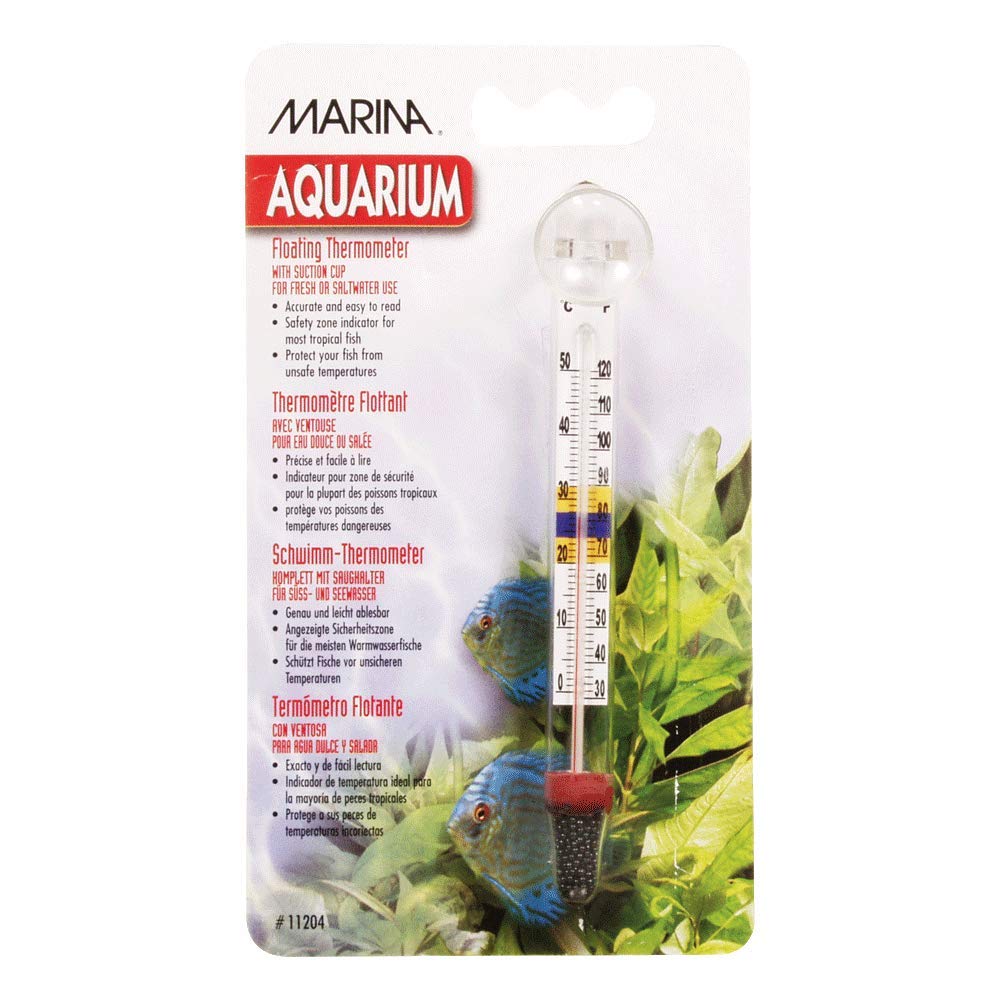
Marina Floating Thermometer
Whatever heater you choose, add a cheap glass thermometer at the opposite end of the tank and believe it over the heater’s dial. Glass beats digital here, since inexpensive digital thermometers often run one to three degrees off. Check it once in a glass of ice water before you trust it. It should read 32°F.
The Best Filter for Betta Fish
The best filter for a betta is a gentle sponge filter. Bettas are weak swimmers, especially the long-finned varieties, and the fixed-flow hang-on-back filters that come in starter kits create a stronger current than they can comfortably handle.
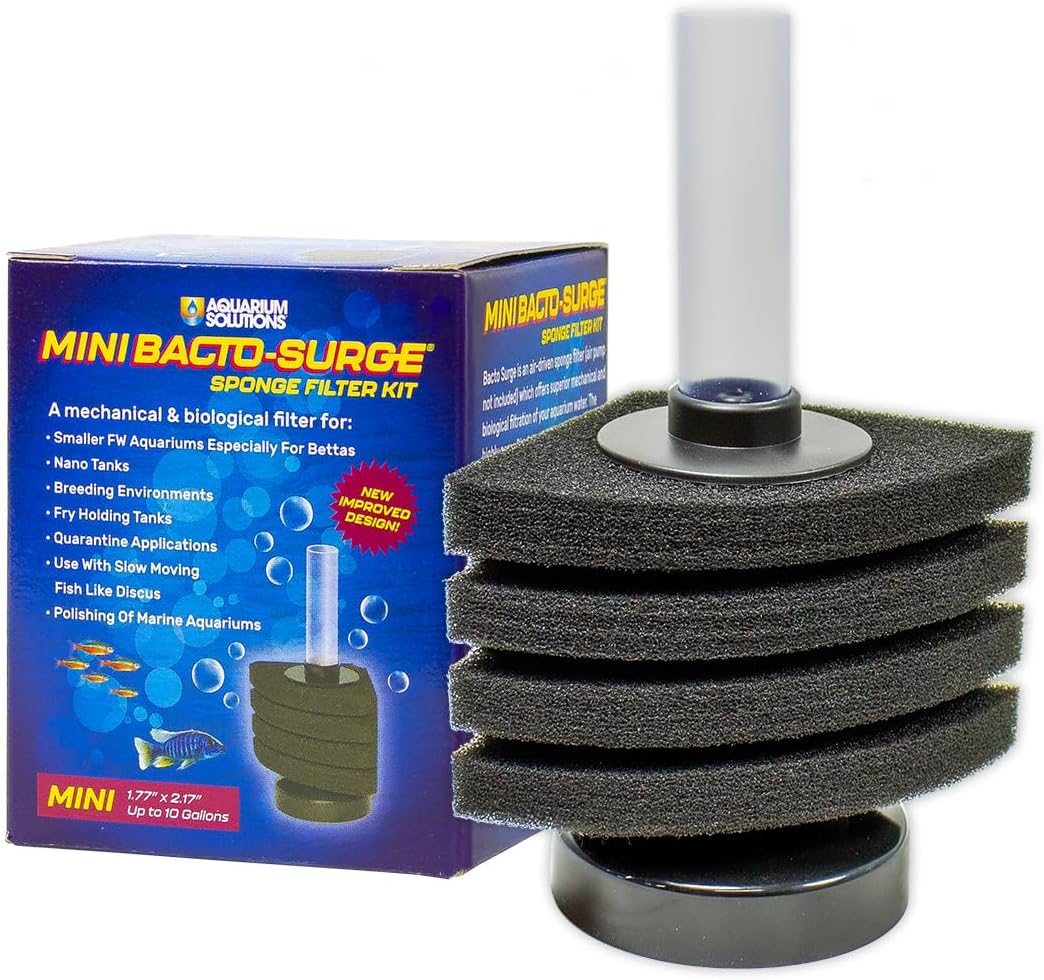
Hikari Bacto-Surge Sponge Filter
For most betta tanks, a simple sponge filter is best: gentle flow, excellent biological filtration, nothing that can shred fins, and it costs less than lunch. The Bacto-Surge is the reliable name in a category where most options are near-identical. You’ll need an air pump to run it, which brings us to the next item.
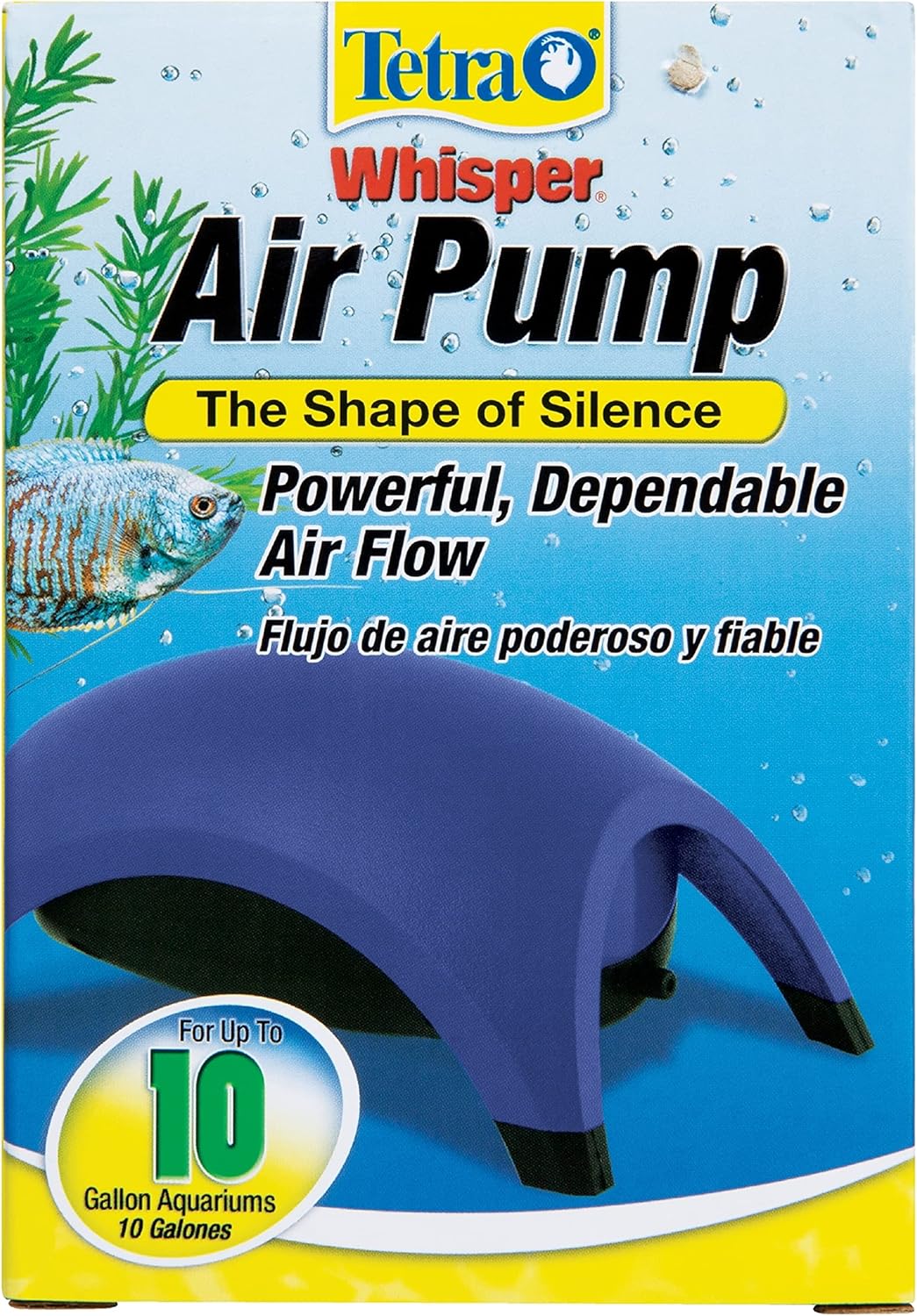
Tetra Whisper 10 Air Pump
Cheap, quiet for its class, and sized right for a 5 to 10 gallon tank, this is the pump that runs the sponge filter above. Grab airline tubing and a check valve at the same time; the check valve keeps water out of the pump if the power blips.
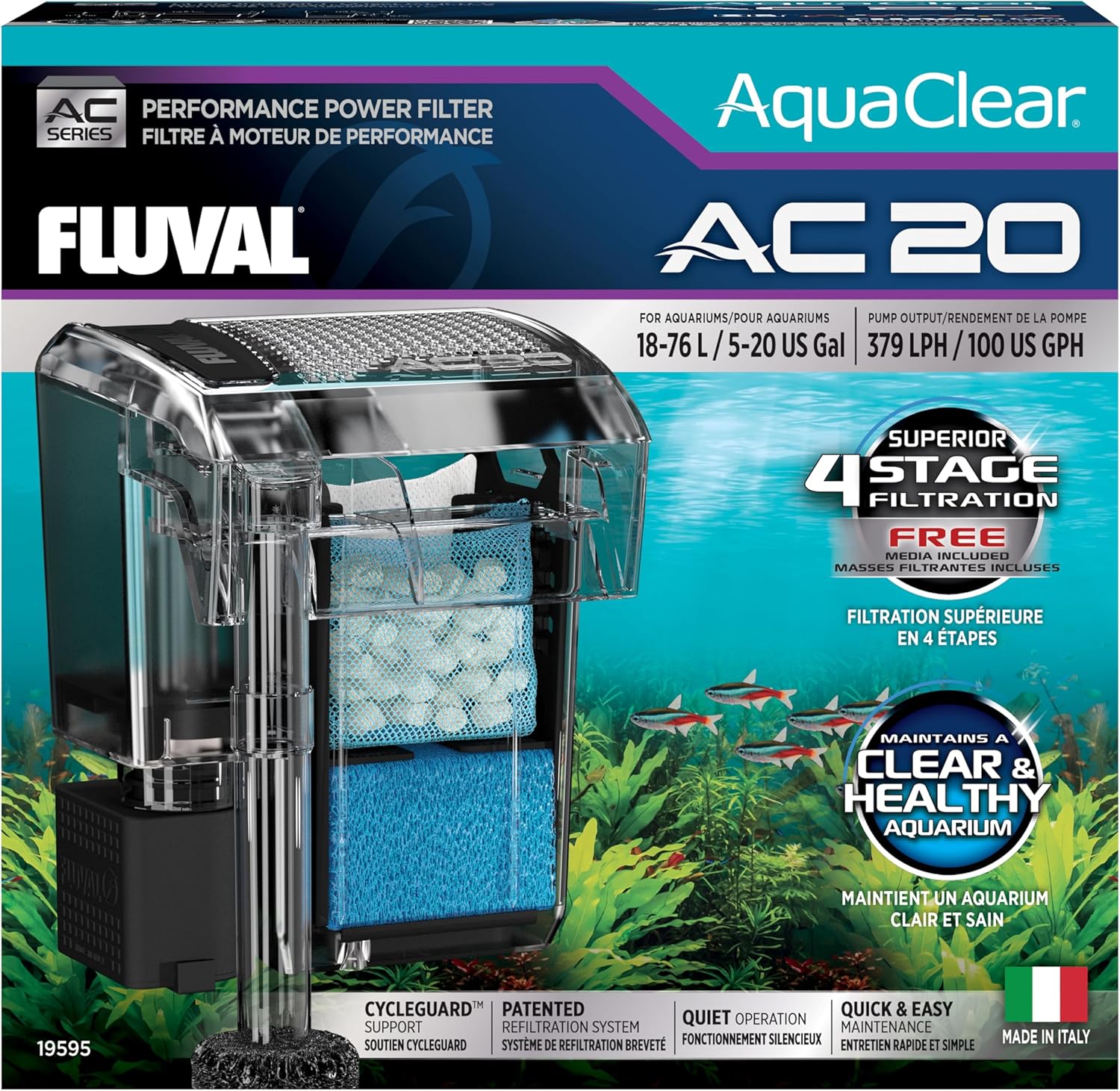
Fluval AquaClear 20
If you’d really rather have a hang-on-back than an air-driven sponge, this is the one. It’s among the few small HOBs with genuinely adjustable flow, which is the whole ballgame for a betta. Run it on the lowest setting, and baffle the outflow if your fish still struggles against the current.
The Best Substrate for a Betta Tank
The best substrate for a betta tank is smooth, inert gravel or sand at about 2 inches deep: nothing sharp enough to tear fins, and nothing that alters your water chemistry. Rinse it before it goes in the tank, no matter what the bag says.
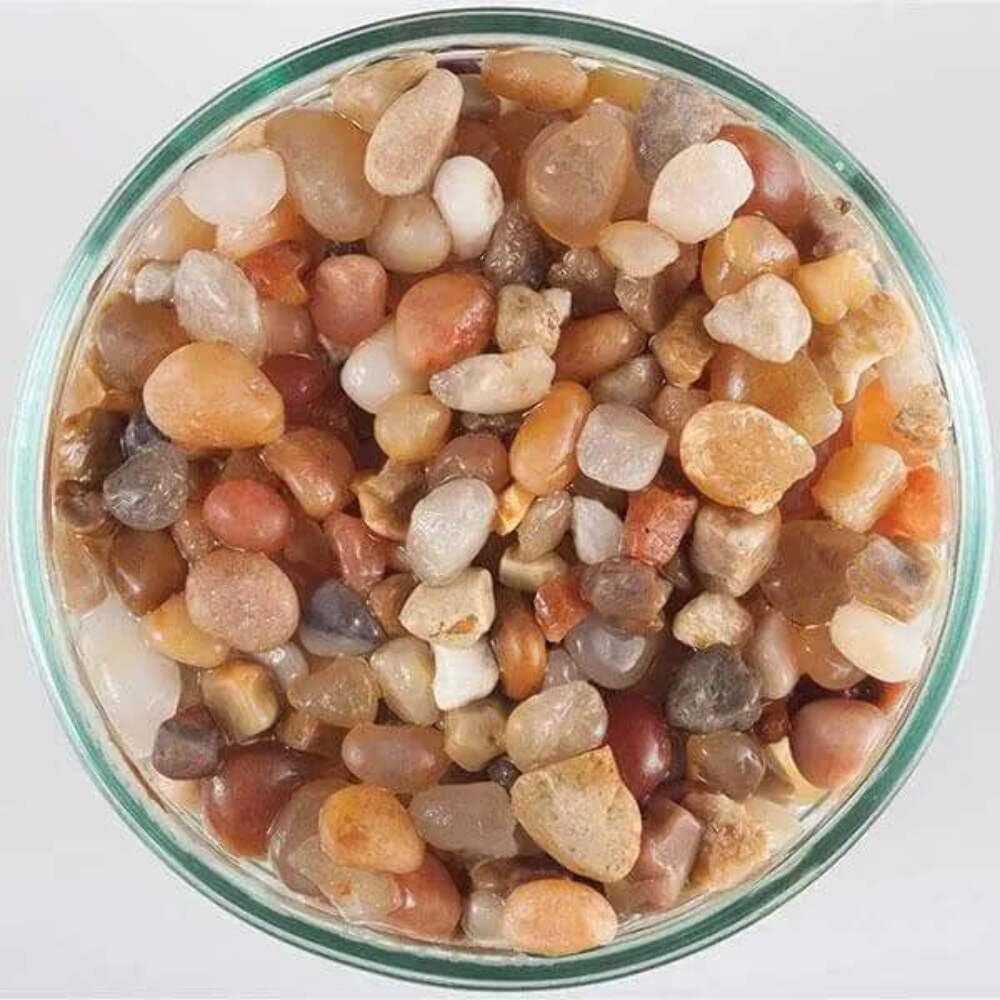
CaribSea Super Naturals Gravel
Smooth, inert, and the right grain size, so it won’t tear delicate fins or quietly harden your water the way limestone-based gravels can.
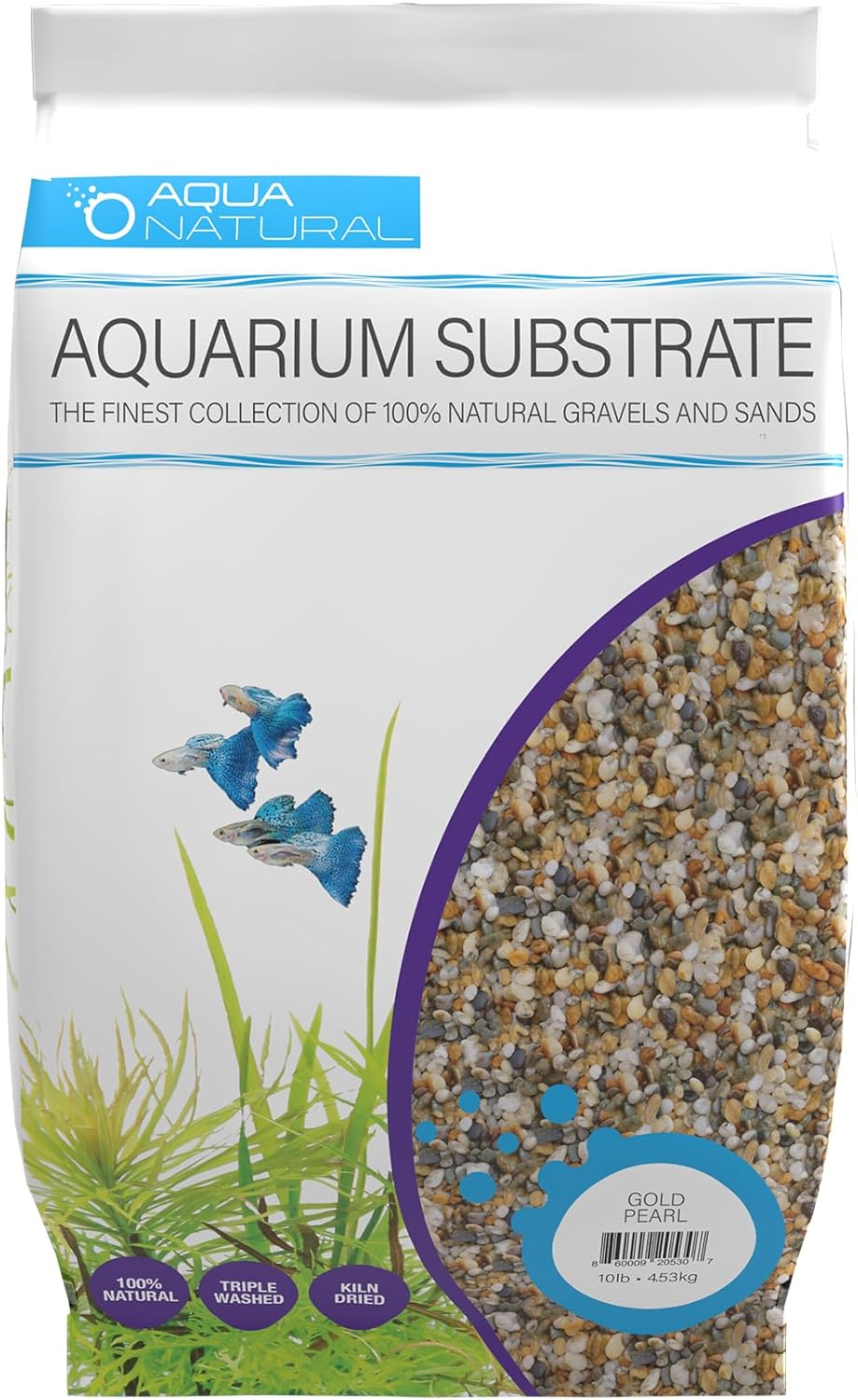
Aqua Natural Aquarium Substrate, Gold Pearl Gravel
2-4mm pebbles with perfectly round or oval shapes, another safe pick for long-finned fish.
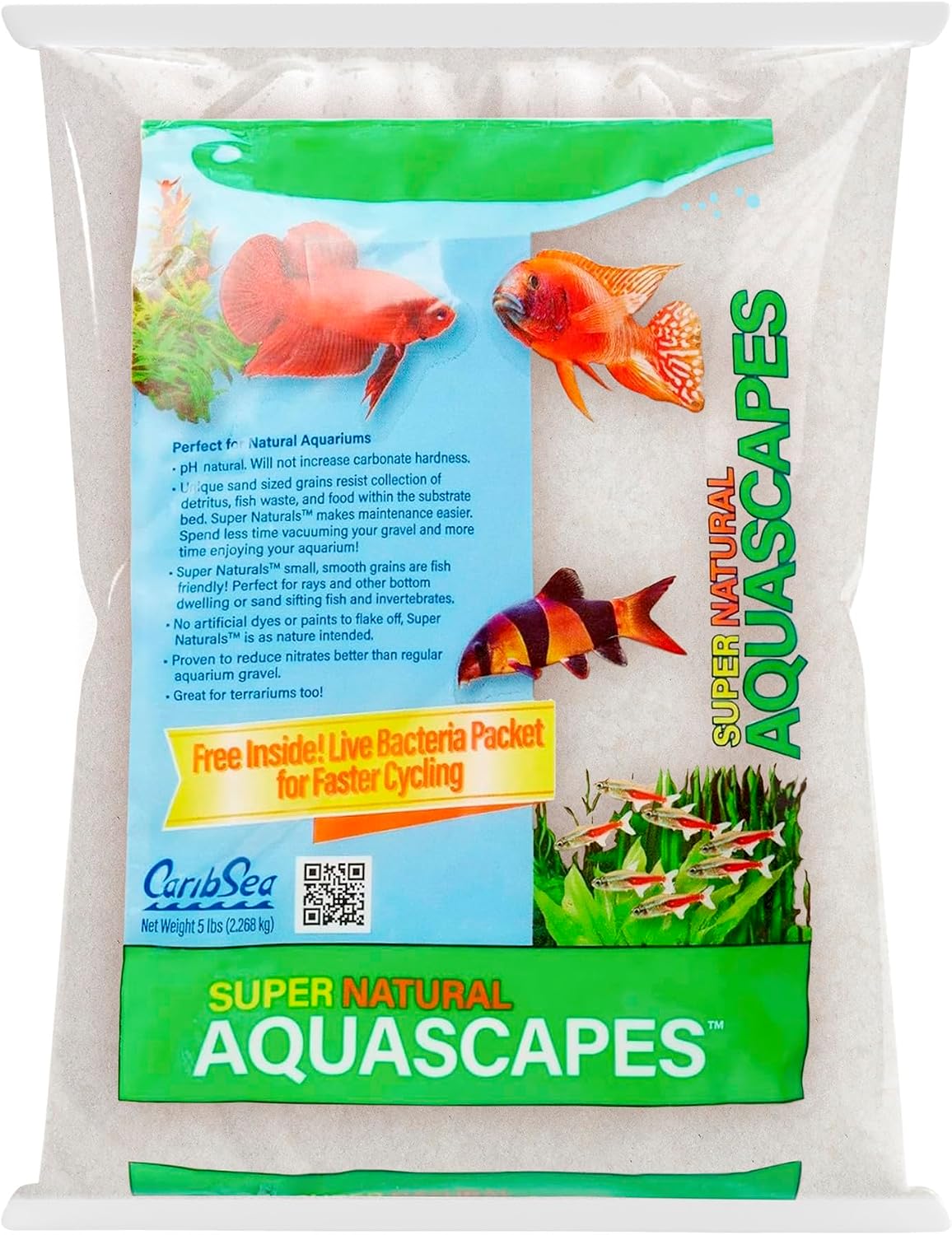
CaribSea Super Natural Sand
The same inert safety as the gravel, in sand form, for a cleaner look. One habit to adopt: give it an occasional stir during water changes so it doesn’t compact into oxygen-starved pockets.
The Best Plants and Decorations for a Betta Tank
The best decorations for a betta tank are soft plants and at least one enclosed hiding spot. Research shows bettas in bare tanks display significantly more abnormal behavior, so décor is welfare, not aesthetics.
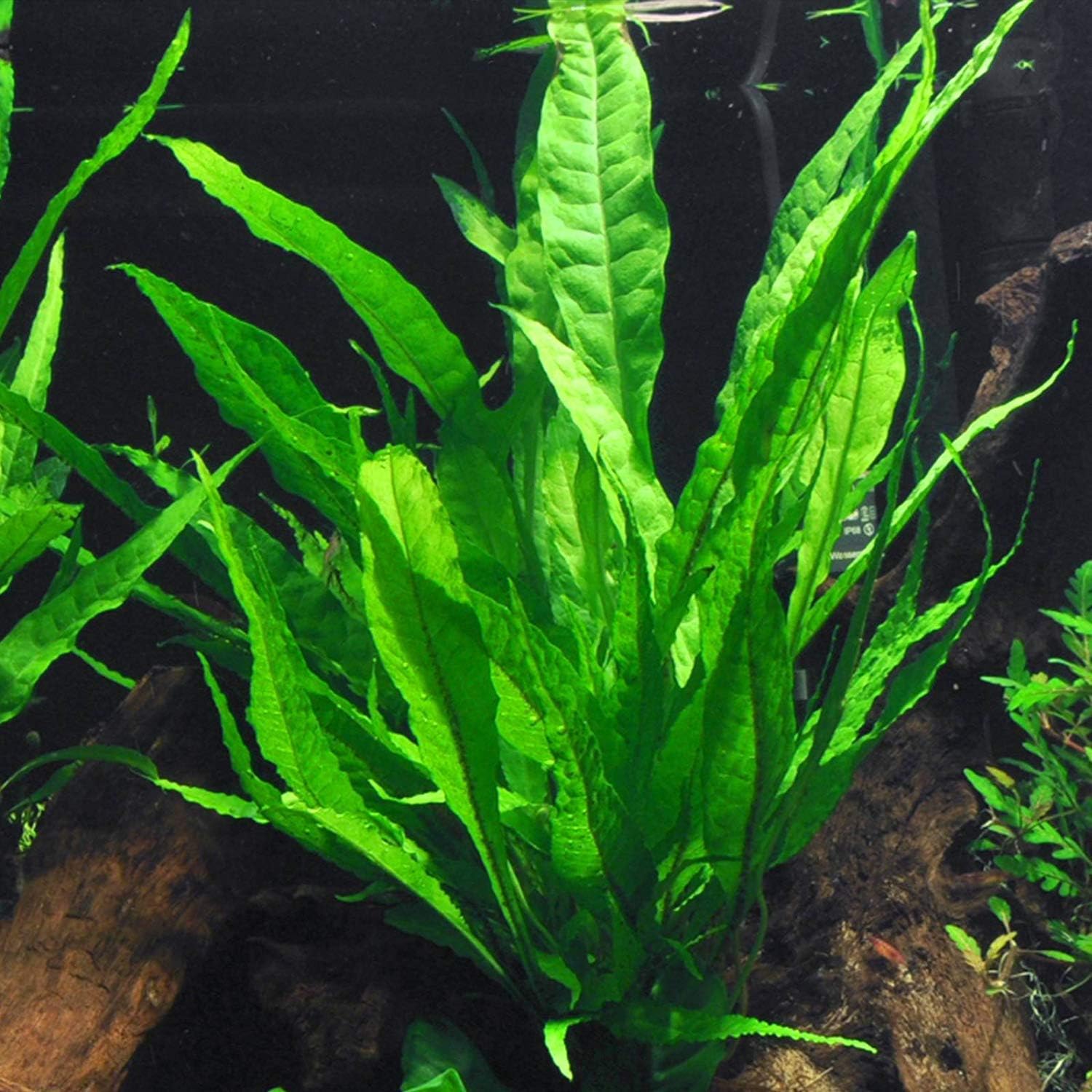
Java Fern
The classic beginner plant: real greenery without taking up a planted-tank hobby. It’s hardy, happy in low light, and needs no special substrate; tie or wedge it onto hardscape rather than burying the rhizome, and it’ll quietly do its thing for years while giving your betta broad leaves to rest on. It’s very easy to find in-person, as most pet stores carry it.
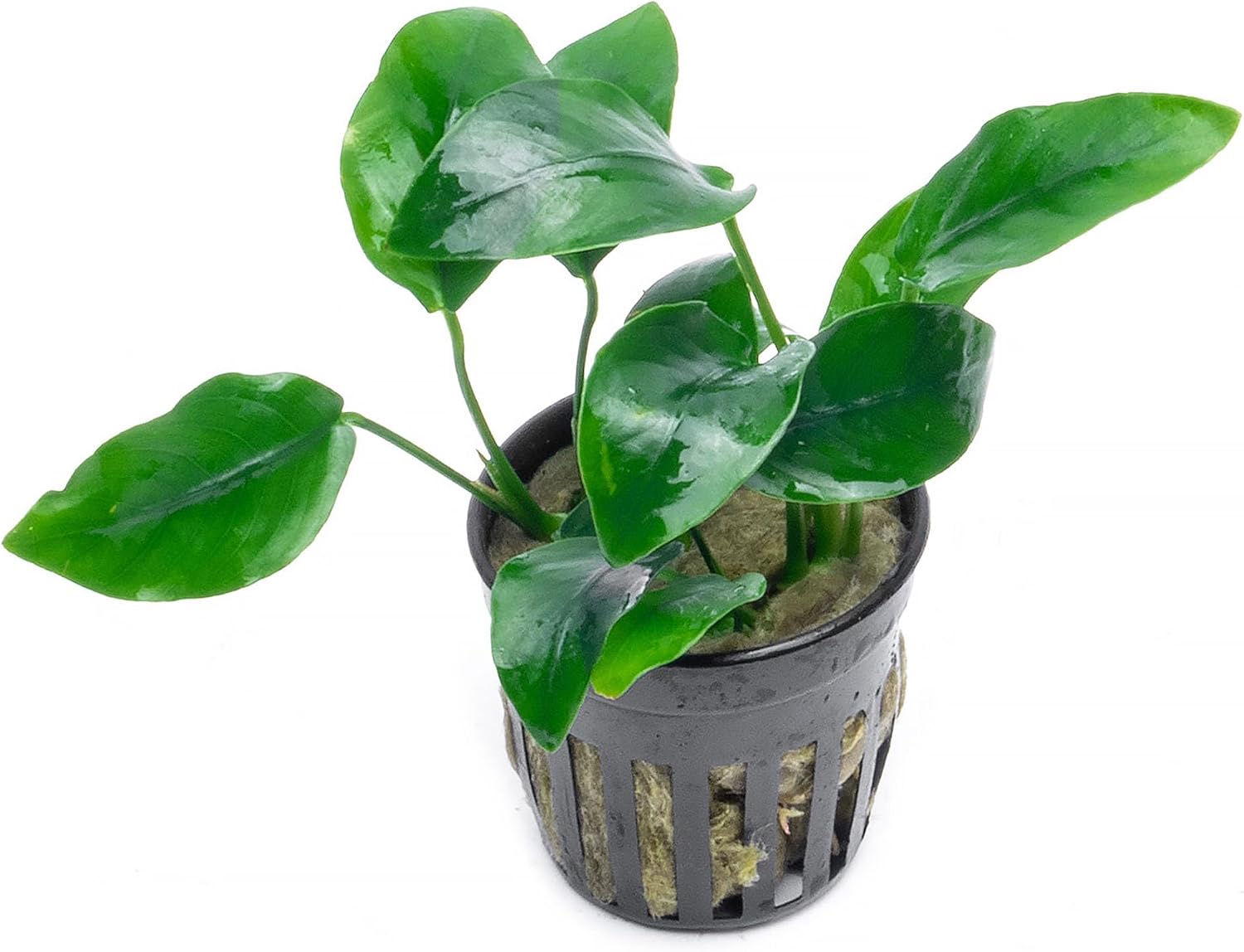
Anubias
Nearly indestructible. Like java fern, it attaches to rocks or driftwood instead of planting into substrate, tolerates low light, and grows thick, sturdy leaves that bettas love to perch on.
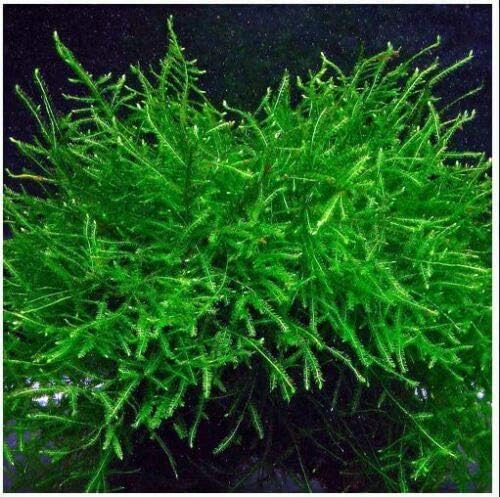
Java Moss
The easiest plant in the hobby. Drape it over décor or let it carpet a corner: it thrives in almost any conditions, gives your betta soft cover to weave through, and absorbs a bit of ammonia as a bonus.

Marina Naturals Silk Plants
If live plants aren’t happening, go silk, not plastic. Marina’s Naturals line is soft enough to pass the test that matters: run pantyhose over any decoration before it goes in the tank, and if it snags the fabric, it will snag fins too.
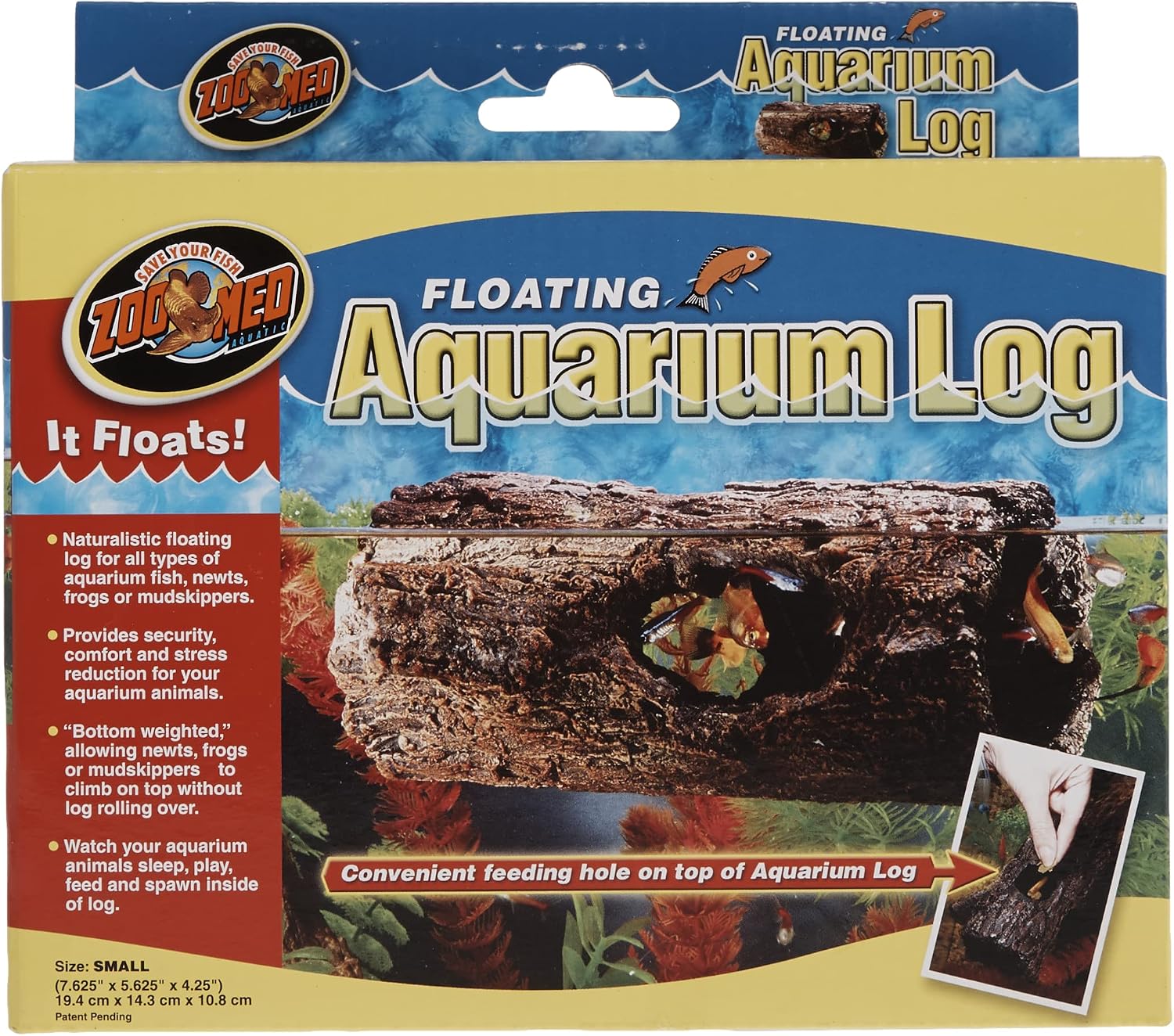
Zoo Med Floating Log
Every betta needs at least one place to disappear, and a tank with nowhere to hide is a stressed fish. This floating log is the rare hide your betta can use right at the surface, where they naturally hang out.
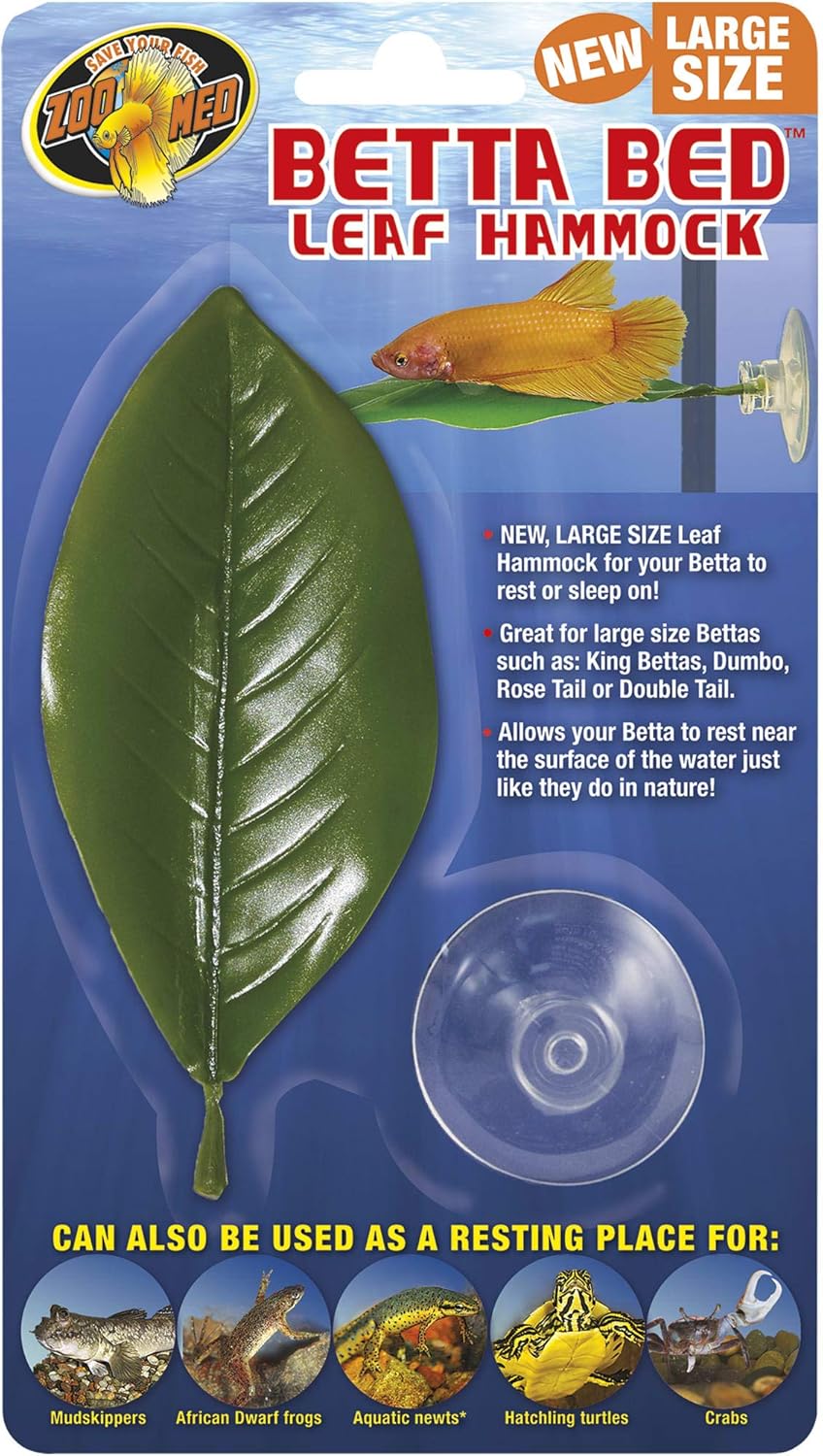
Zoo Med Betta Hammock
A suction-cup leaf that sits just under the surface, right where bettas like to rest between trips up for air.
Water Conditioner for Betta Tanks
Every drop of tap water needs to be treated before it gets added to a betta tank to make it safe for your fish. City water treatment leaves chlorine or chloramine behind at levels that damage fish gills. Any of these three options will do the job:
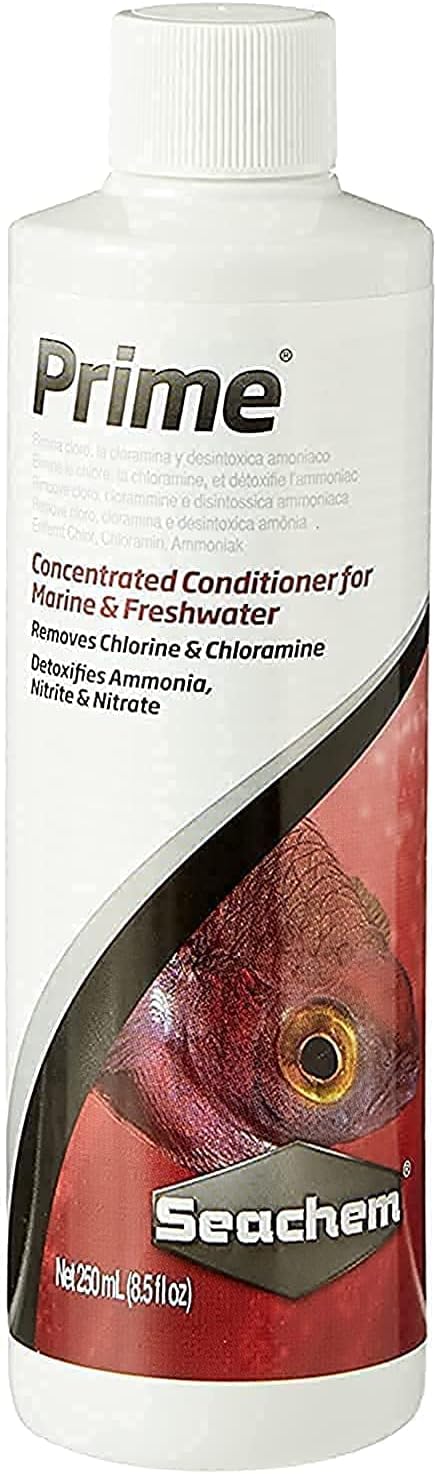
Seachem Prime
Probably the most popular water conditioner among hobbyists. It neutralizes both chlorine and chloramine and can temporarily bind ammonia. It’s so concentrated (1mL treats 10 gallons of water) that one small bottle lasts most of a year on a betta tank. That concentration does make it hard to eyeball dosing, though. I like to use a 1mL syringe to help measure out doses for my 10 and 20 gallon tanks.
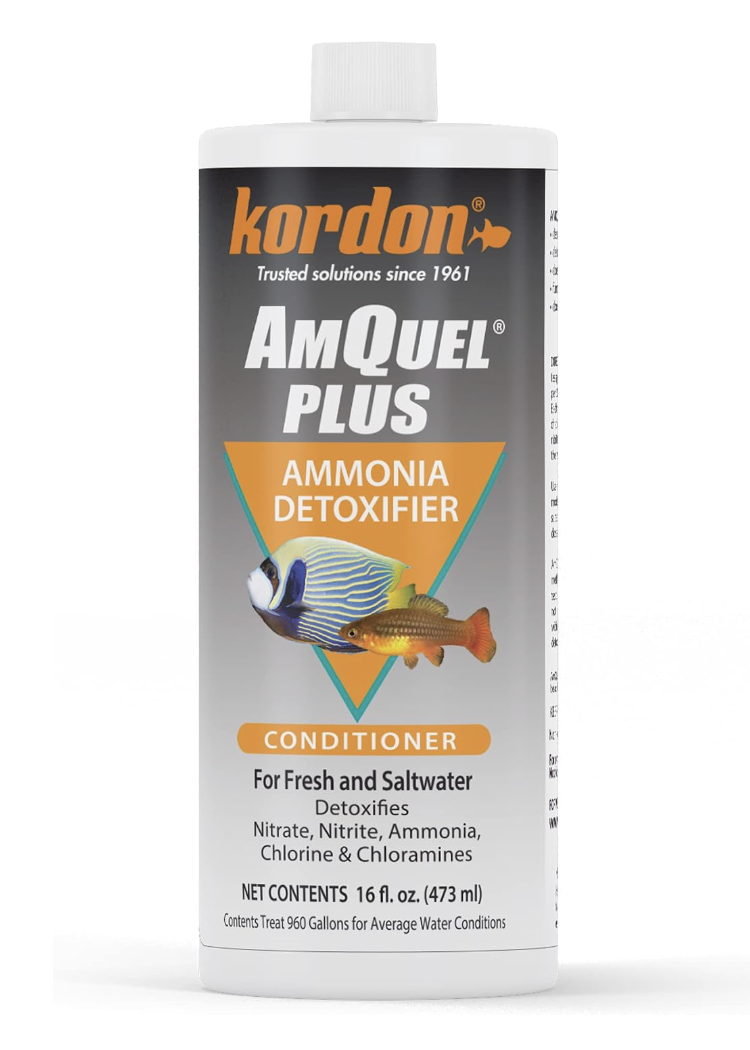
Kordon AmQuel
Does the same core job as Prime: chlorine, chloramine, and temporary ammonia binding in one dose. It’s been a hobby staple for decades, and is commonly used by pond keepers as well, meaning it’s easy to find info on.
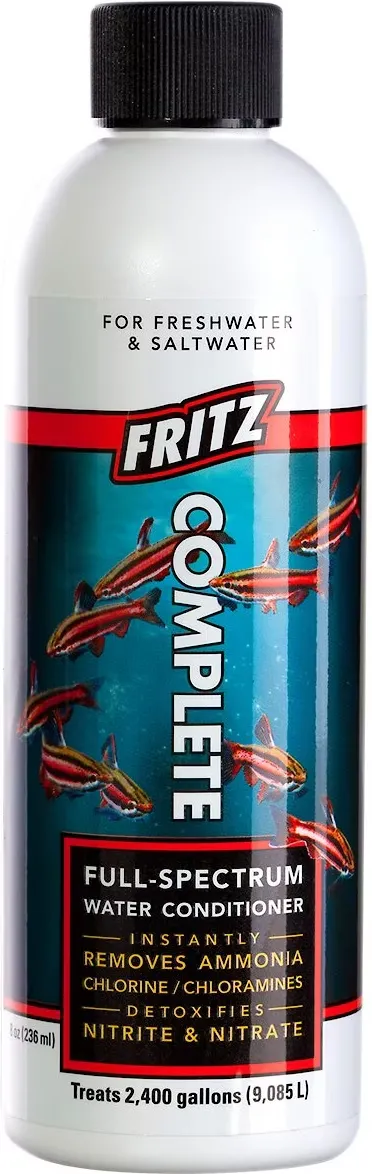
Fritz Complete Full-Spectrum Aquarium Water Conditioner
Covers the same three basics as the other two: chlorine, chloramine, and ammonia binding in one dose. It’s a newer name in the category than Prime or AmQuel, so it doesn’t have quite the same track record yet, but the formula does the same core job.
Recommended Aquarium Test Kit
Test your water with a liquid kit, not strips. Strips are cheaper, but they lose accuracy as they age and read in vague color bands; a liquid kit gives you real numbers for the four things that matter in a betta tank: ammonia, nitrite, nitrate, and pH. You’ll test daily or every other day while cycling a new tank, then about once a week once it’s established.
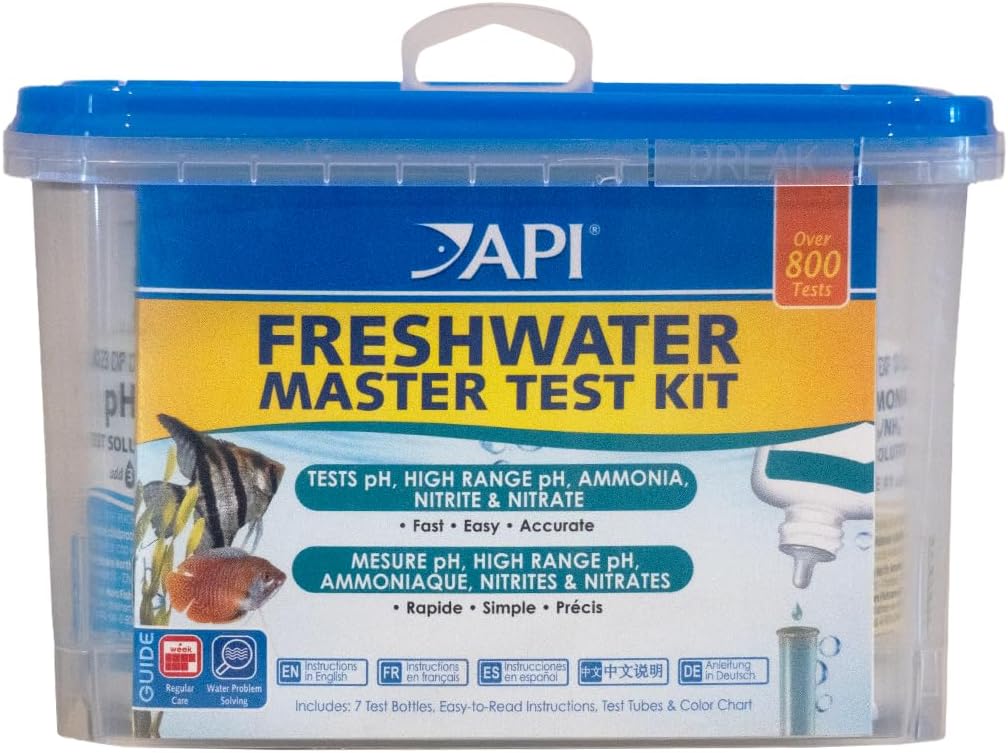
API Freshwater Master Test Kit
The hobby standard, and the kit I reference throughout my guides. Liquid tests beat strips on accuracy, and it covers everything that matters in a betta tank: ammonia, nitrite, nitrate, and pH.
Recommended Water Change Gear for Bettas
Alongside your test kit and water conditioner, a siphon rounds out the water care kit. My cleaning guide walks through how to do a 20–30% weekly water change.
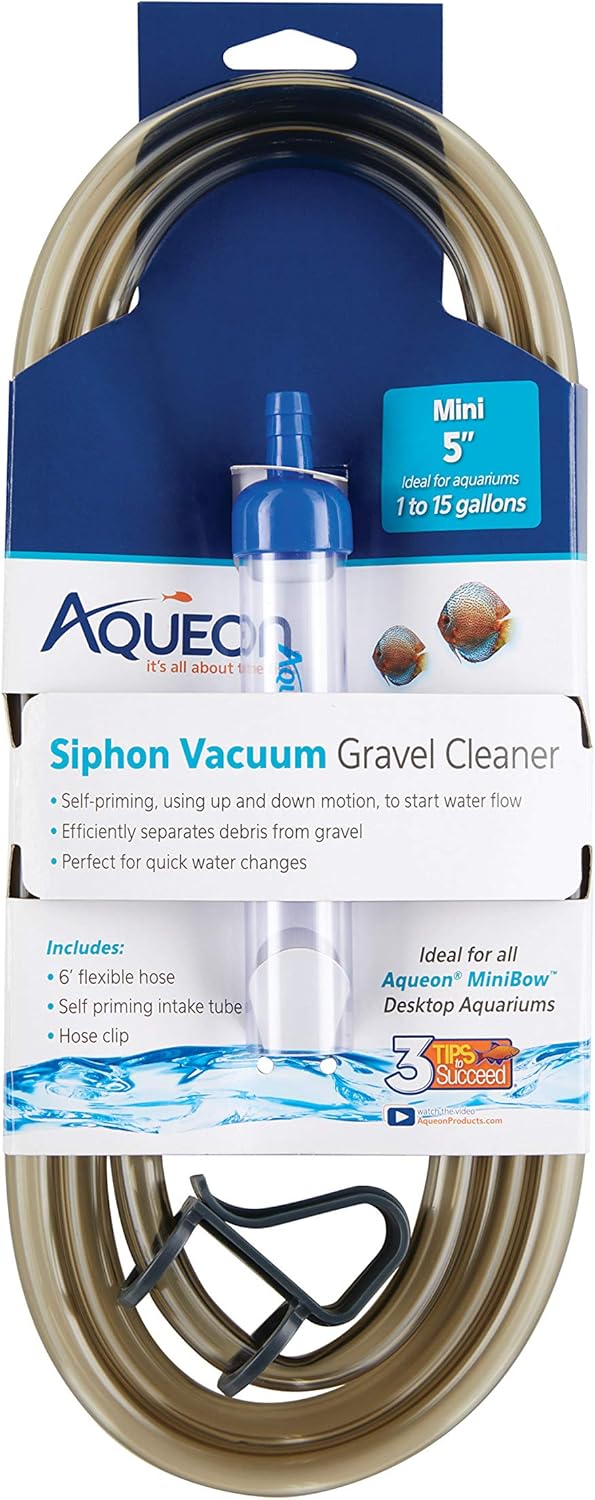
Aqueon Mini Siphon Vacuum
Nearly any small gravel vacuum works for a 5-10 gallon, and Aqueon’s is cheap, simple, and available almost anywhere.
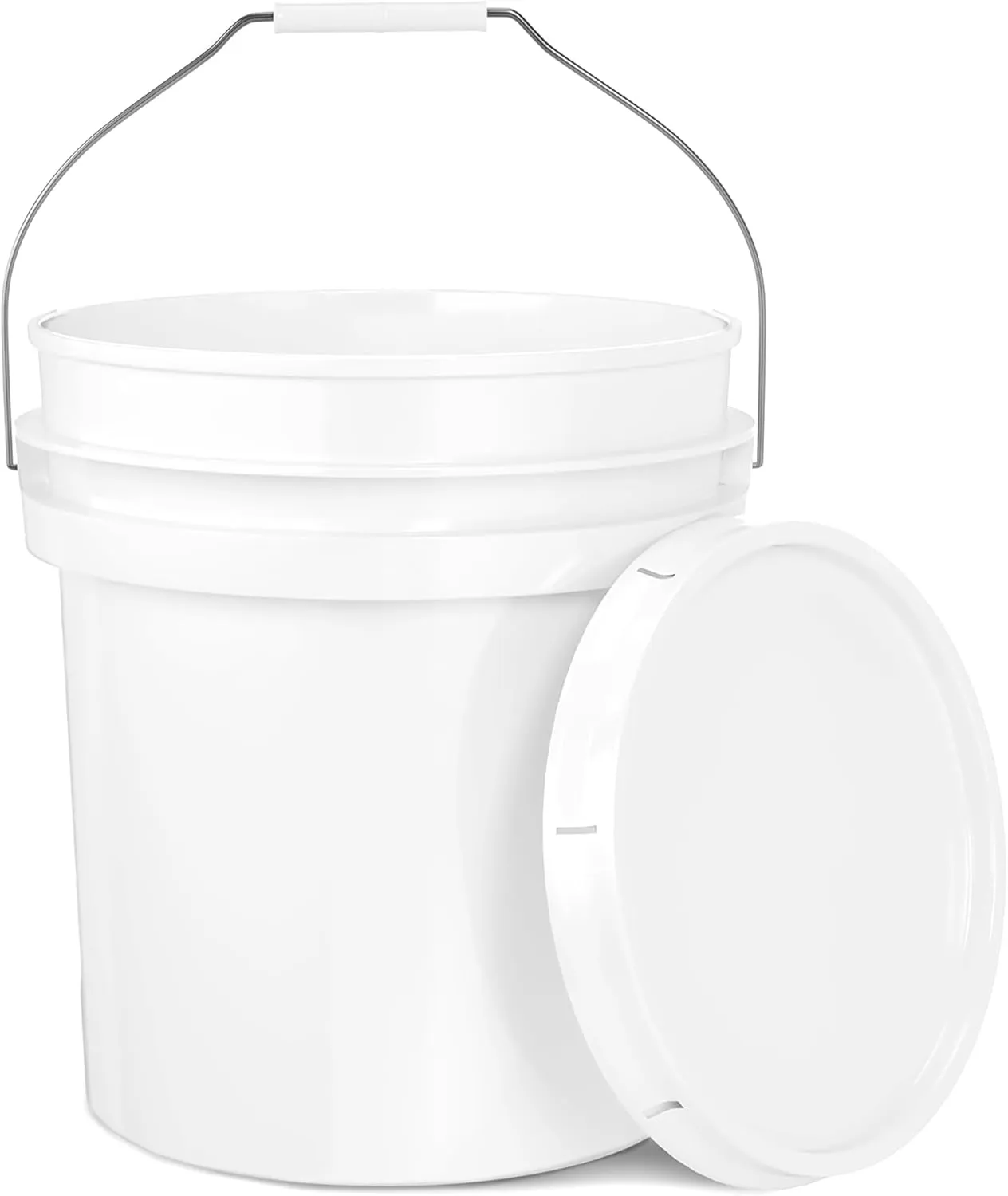
Dedicated Aquarium Bucket
You’ll need some place for your siphon to empty the water into. Literally any 5-gallon bucket will work for this, just keep it free of soap or other cleaning products to avoid cross-contamination. If you’re doing a fish-in cycle, you’ll be using this a lot for the first month, so get one you don’t mind carrying.
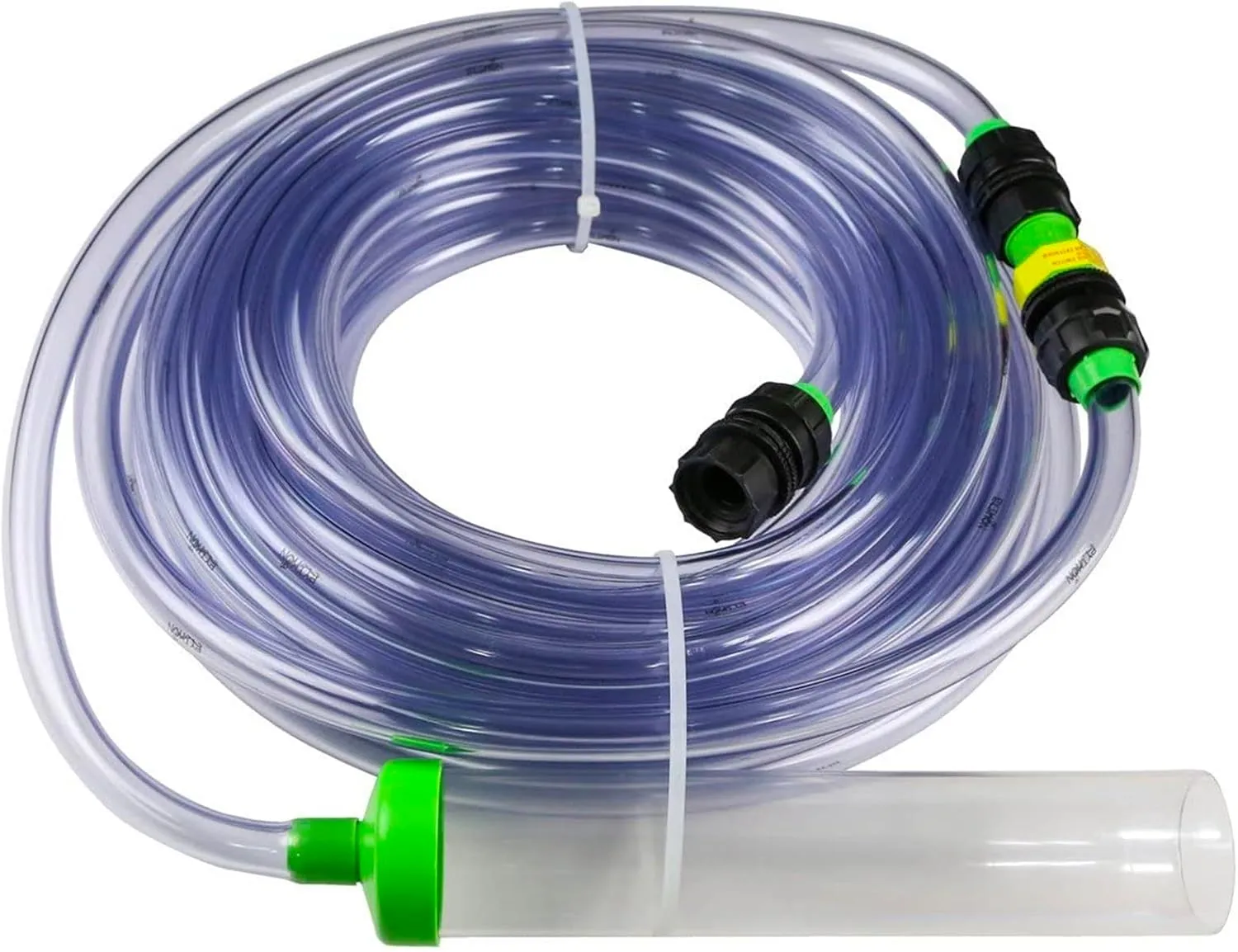
Python No Spill Clean and Fill
Worth it once you’re at 20 gallons. It threads onto your faucet and does the whole water change without a bucket: siphon the old water down the drain, flip the valve, refill through the same hose. I bought one for my 20-long and loved how much time it saved. Since you’re refilling straight from the tap, add your water conditioner directly to the tank as you refill, dosed for the full tank volume.
One bonus disclaimer: It needs a removable aerator to thread onto, so check your faucet first. I had to retire mine when we replaced our sink faucet with one that didn’t have a removable aerator, and there’s no workaround. 🙁
Tank Cycling Supplies
Every new tank needs to grow nitrifying bacteria before a fish moves in, a 3-to-8-week process that the cycling guide explains step by step. In addition to one of the water conditioners listed above, grab these supplies to make it easy:
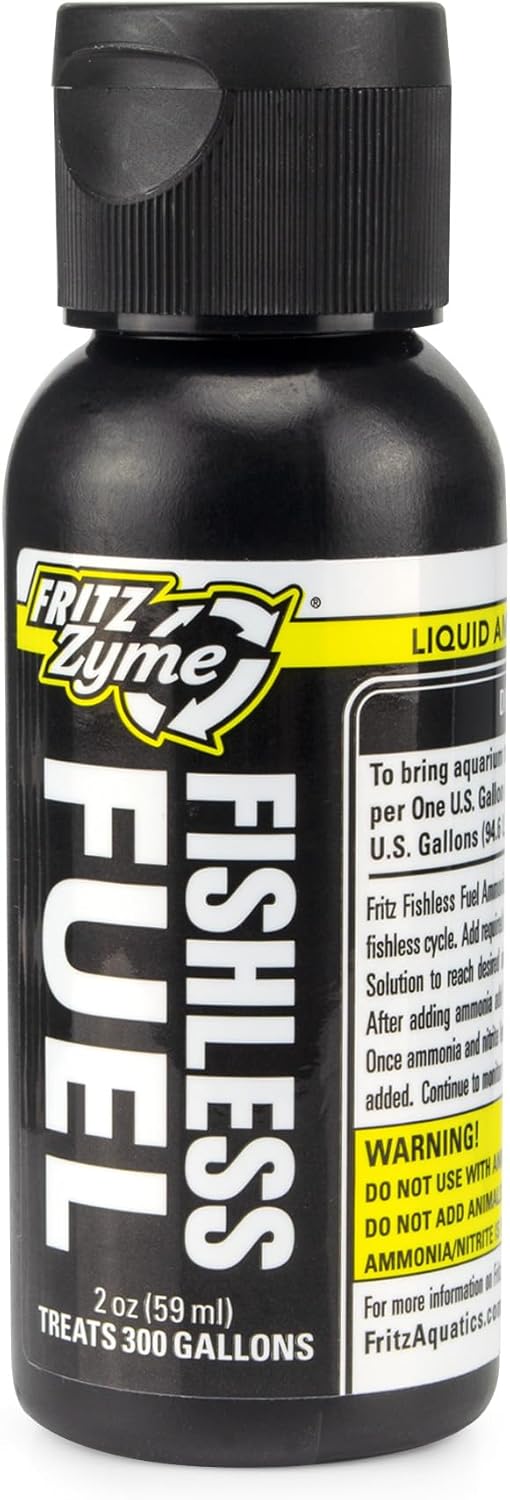
Fritz Fishless Fuel
A pure, dosable ammonia source for fishless cycling, so you can feed the bacteria precisely instead of guessing with decomposing food. Most big-box pet stores don’t carry Fritz products, but you may be able to find a locally-owned store near you that carries them on their website. To be clear: if you’re cycling a tank your fish is already living in, you do not need this.
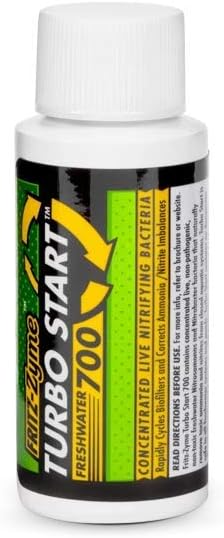
Fritz Turbo Start 700 Freshwater
Live nitrifying bacteria for freshwater tanks, from the same company as the fishless fuel above; the two pair naturally for a faster fishless cycle. A starter is optional and helpful, but not magic. You still test your way to a cycled tank.
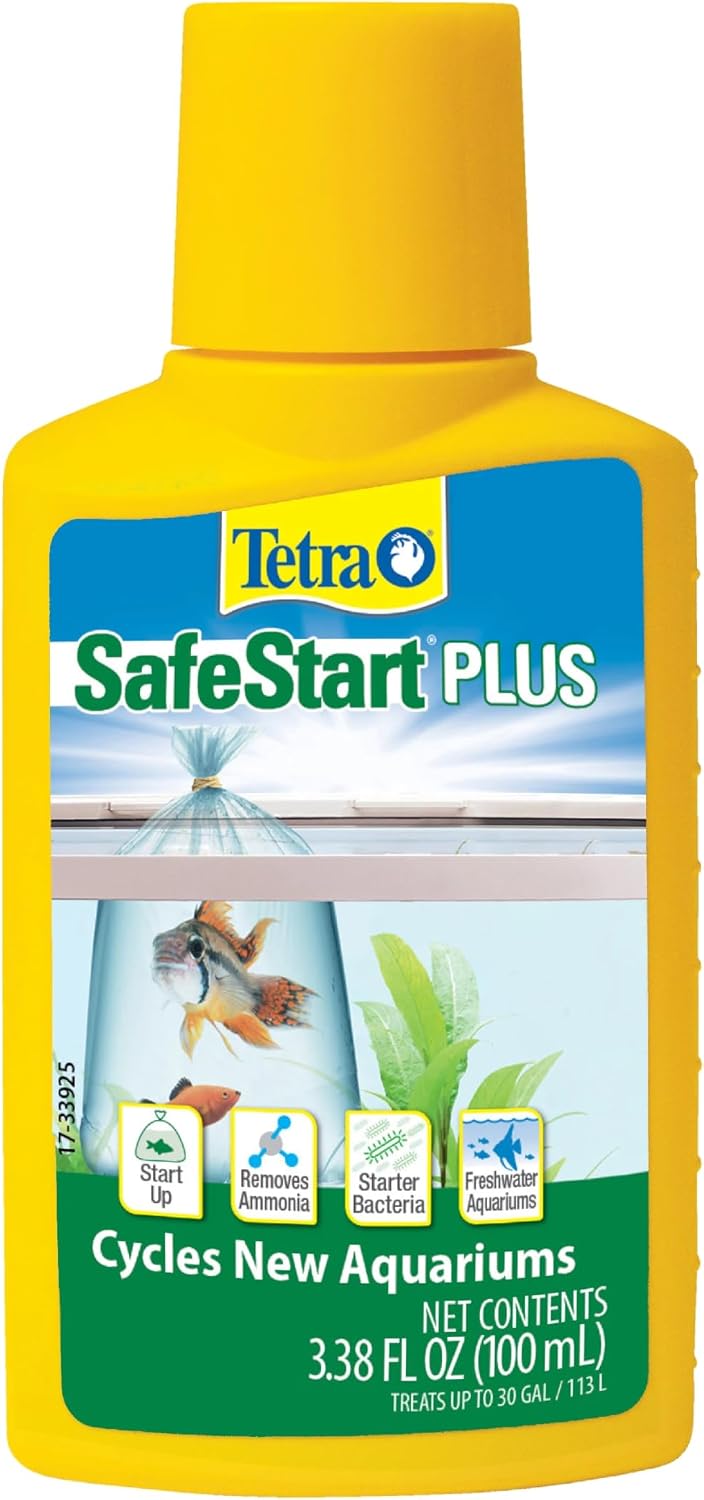
Tetra SafeStart Plus
A decent alternative to the Fritz bacterial starter, and the one you’re most likely to find on a big-box shelf. It does the same job, so grab whichever is easier to get; either can cut real time off a cycle.
The Best Betta Food
The best everyday food for betta fish is a high-quality pellet or granule with animal protein as the first ingredient. Bettas are carnivores, and grain-heavy tropical flakes don’t cut it; the full breakdown is in my betta nutrition guide.
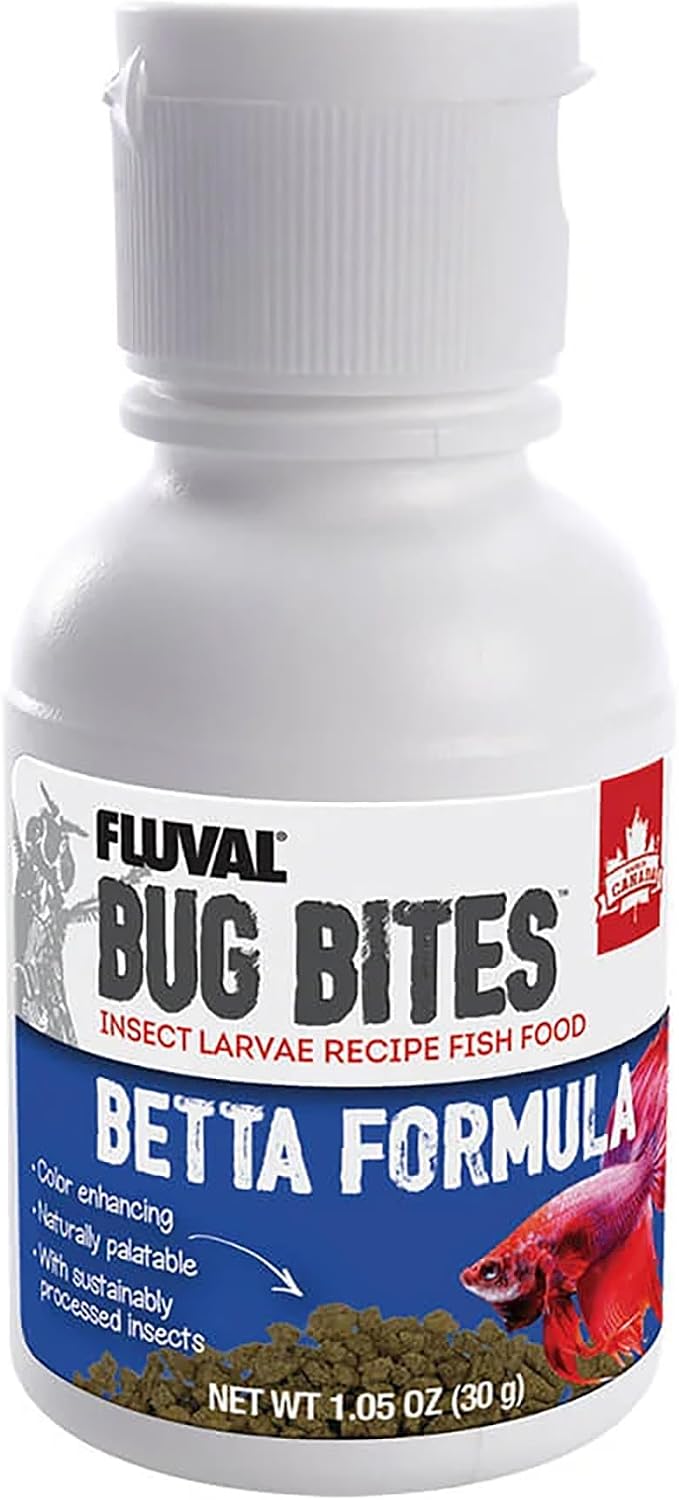
Fluval Bug Bites Betta Micro Granules
My favorite everyday staple. It’s insect-based, with black soldier fly larvae as the first ingredient and 45% protein, which is exactly what a carnivore needs, plus shrimp meal, stabilized vitamin C, and beta-carotene for color.
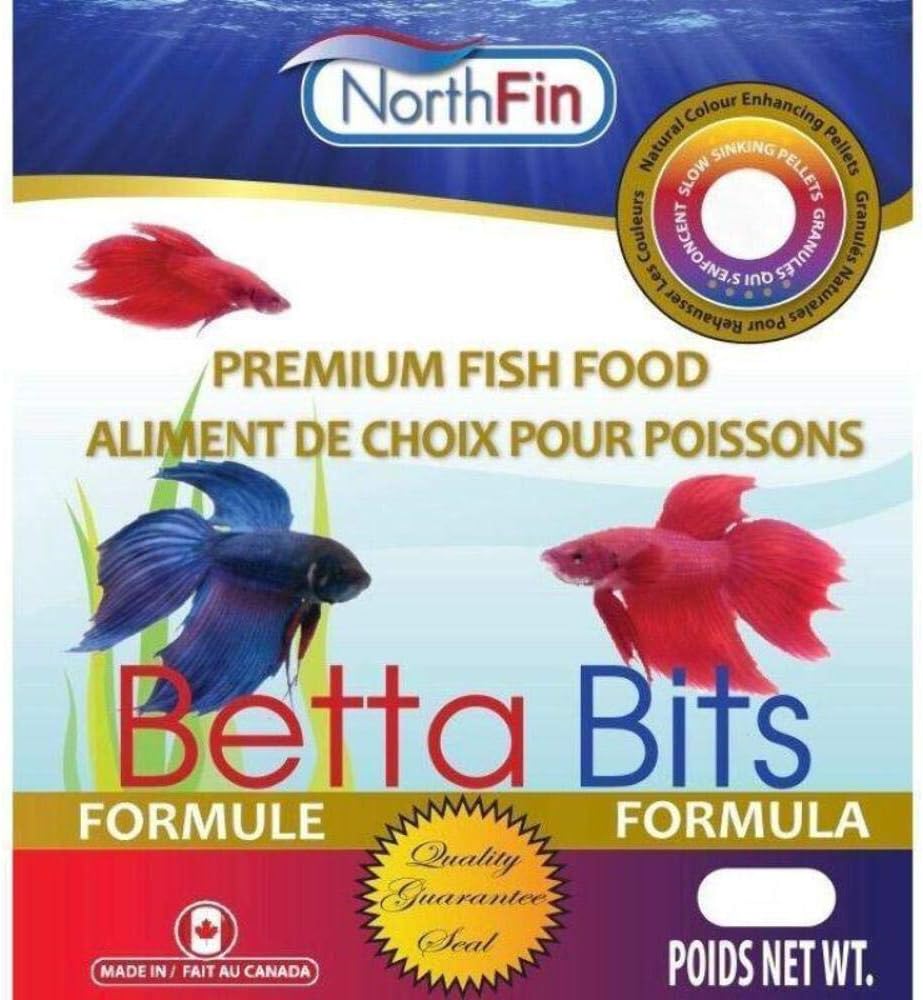
NorthFin Betta Bits
The marine-protein-heavy option. Whole Antarctic krill, herring, and sardine meal are the first three ingredients, with 45% protein and a strong 16% fat profile, plus spirulina and astaxanthin for color support.
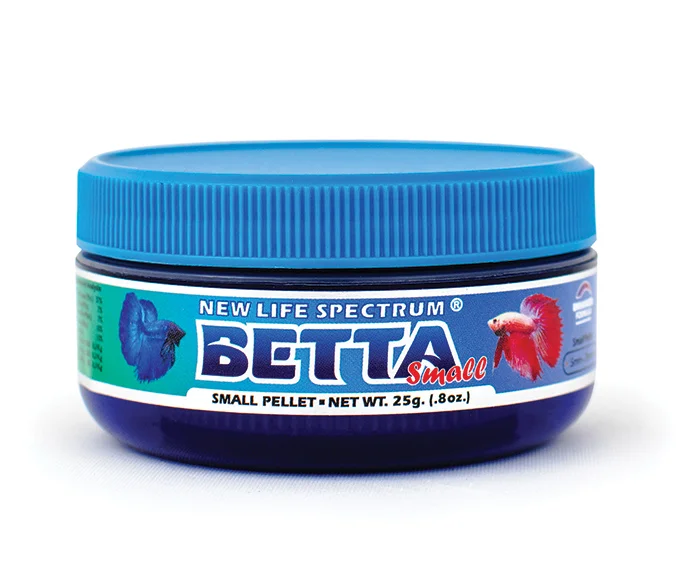
New Life Spectrum Betta
Krill and squid lead the ingredient list, backed by astaxanthin, spirulina, and marigold. Bettas can’t make their own red and orange pigments; they eat them. If your fish is looking washed out, this is the staple to try.
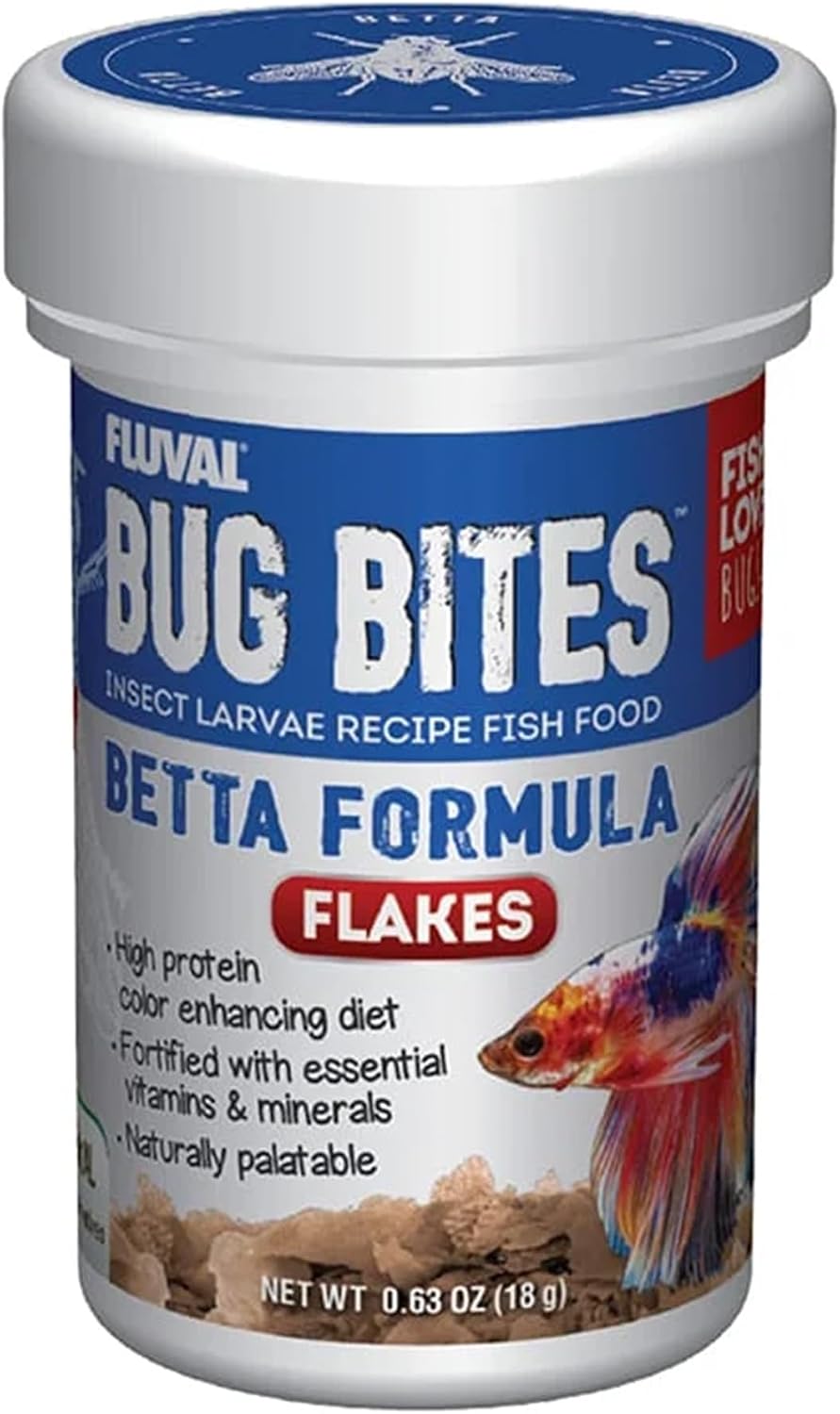
Fluval Bug Bites Betta Flakes
The rare flake that’s actually built for a carnivore, with black soldier fly larvae and herring meal up front, 46% protein, and krill, shrimp, and salmon oil for marine fats. If your betta simply prefers flakes, this is the one.
The Best Betta Treats
The best betta treats are whole freeze-dried or frozen prey: bloodworms, brine shrimp, and daphnia, fed a couple of times a week at most. The full treat reasoning is in my betta nutrition guide.
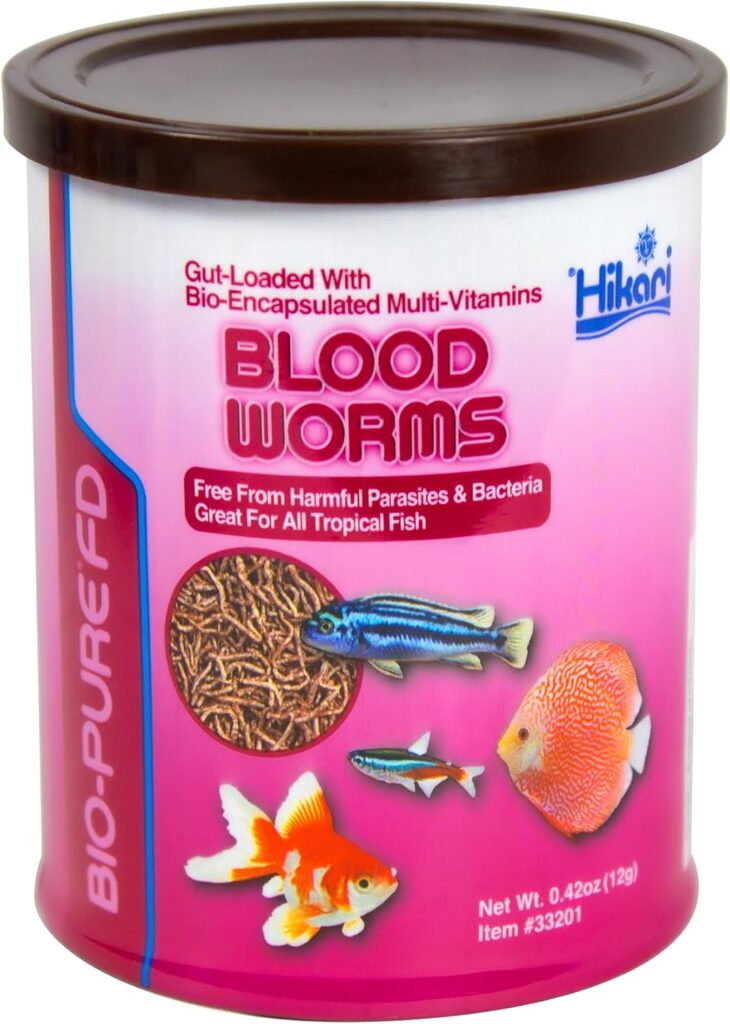
Hikari Bio-Pure Freeze-Dried Bloodworms
Bloodworms are the closest thing to what bettas hunt in the wild, and freeze-dried skips the parasite risk that comes with live food. Hikari’s Bio-Pure line is the standby. Give these to your fish a couple of times a week, not daily.
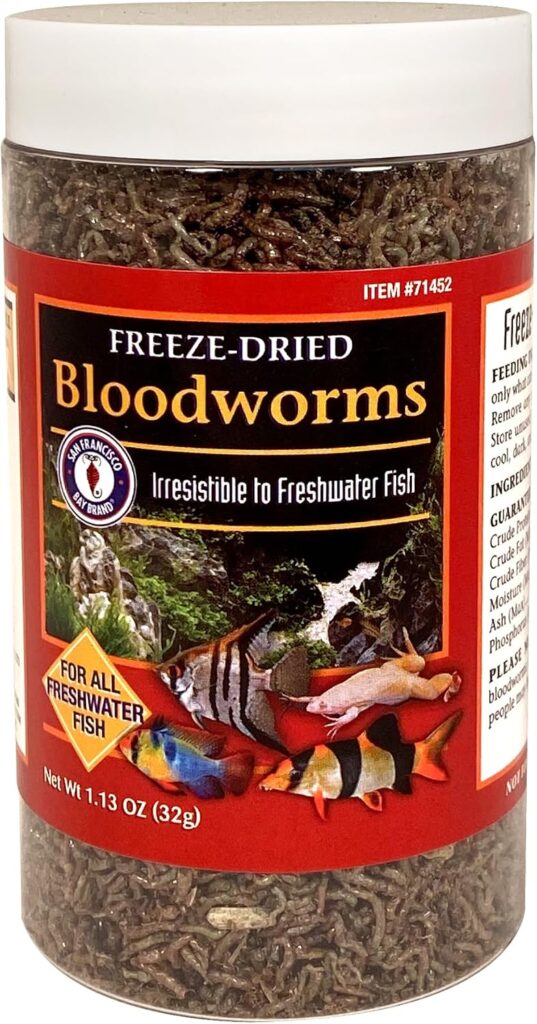
San Francisco Bay Brand Freeze-Dried Bloodworms
The same treat from another trusted name, and often the one actually on the shelf. Between this and Hikari, buy whichever your store carries.
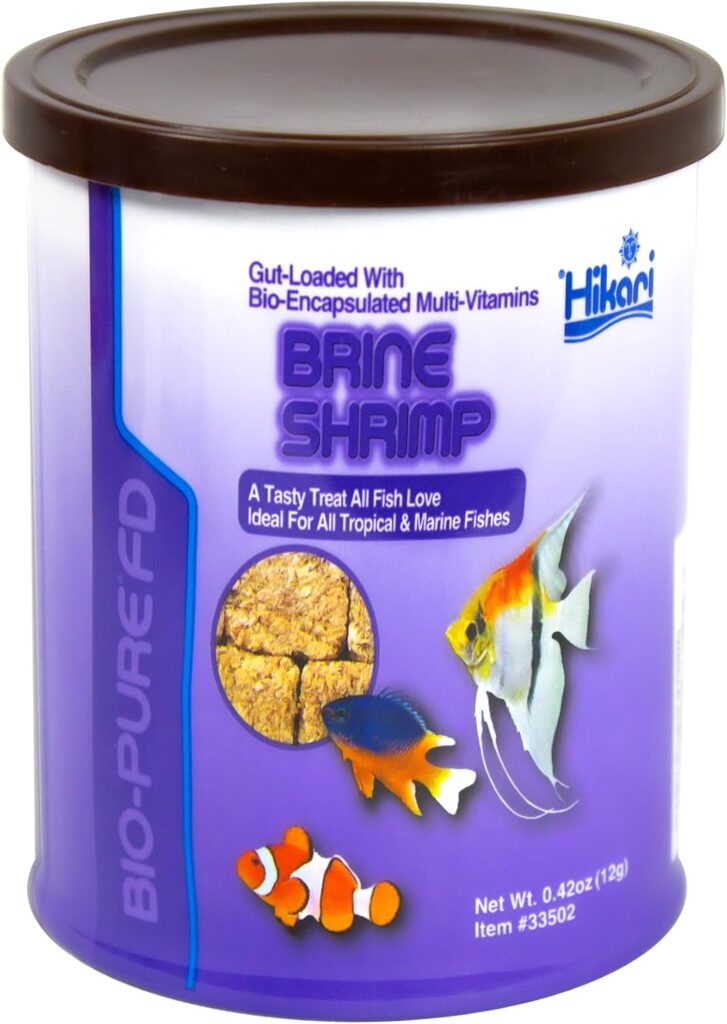
Hikari Bio-Pure Freeze-Dried Brine Shrimp
Small crustaceans are part of a wild betta’s natural diet, and brine shrimp adds a second texture so the rotation isn’t all bloodworms.
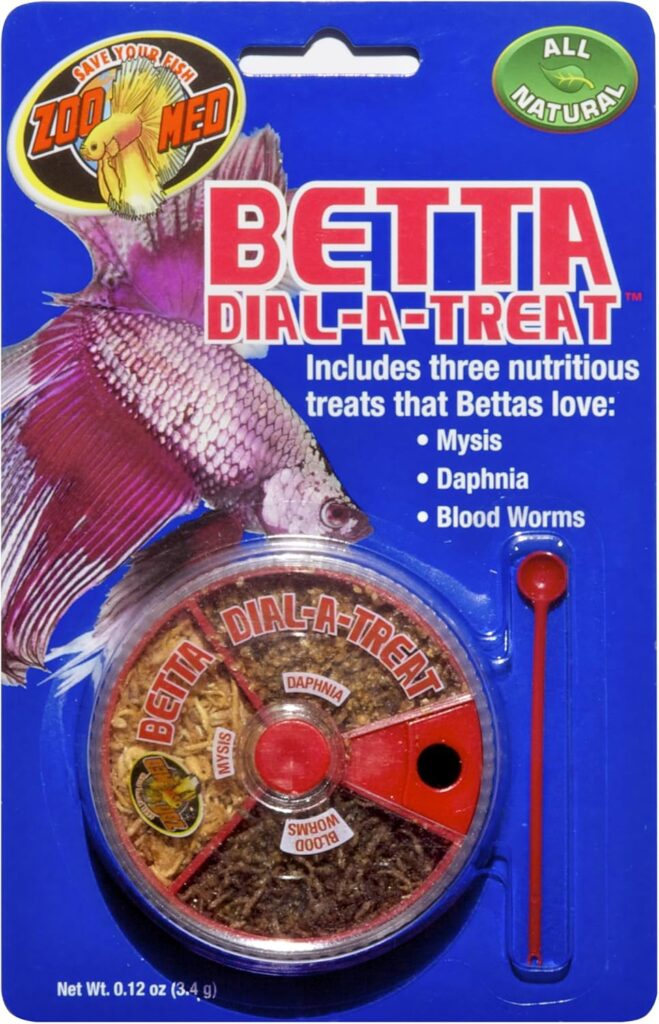
Zoo Med Betta Dial-A-Treat
A three-compartment dial with bloodworms, daphnia, and mysis shrimp, so one purchase covers a full treat rotation. Daphnia is a particularly useful one to keep on hand; it’s the gentle fix my guides suggest for a constipated, overfed betta.