
 Annie
Annie
Key Takeaways
- Your tank size sets your stocking ceiling: every fish you add produces waste, so how much water you have decides how much life it can safely support. It’s not a “one inch per gallon” rule.
- A 5-gallon is really a single-betta tank: at that size, a snail or two (or a few shrimp, if your betta is mellow) is the most you can safely add.
- 10 gallons is the smallest true community: room for your betta plus one small group (a nano school or a bottom group) and a cleanup crew.
- 20 gallons and up is where it opens up: enough water and floor space for two small groups with margin to spare.
- Your individual betta always gets the final say: no stocking plan survives a betta that simply refuses to share.
The Short Answer
How many tank mates a betta can have comes down to one thing more than any other: how much water you’re working with.
A 2.5–3 gallon tank is a single-betta home with no room for tank mates. A 5-gallon can take a snail or two. A 10-gallon is the smallest tank where a real community works, with the betta plus one small group. And at 20 gallons and up, you finally have room for a proper community. The plans below walk through each, and the reasoning behind them.
How Tank Size Decides What You Can Stock
Tank size isn’t just about giving your betta room to swim. It sets a hard ceiling on how many other animals the water can safely hold, for two reasons: waste, and space.
Waste is the real limit.
Every fish you add produces ammonia, and the more a tank is fed, the more ammonia it generates.¹ Ammonia is toxic even at low levels. For freshwater aquarium fish, the lethal range is roughly 0.2 to 0.5 mg/L of un-ionized ammonia, and it gets more dangerous in the warm water a betta needs.² That’s exactly why tank-size advice is fundamentally about waste in the first place,³ and why the least water is the riskiest, since waste concentrates fastest in the smallest volumes.³ ⁴ More animals means more waste, which means you need more water and more filtration to keep it safe. There’s no way around that math.
Space is the other limit.
Research on Betta splendens found that about 10 liters (2.6 gallons) is enough for a betta to show its full range of swimming, and that bettas actively use all the space they’re given, even in tanks up to 208 liters.⁵ Add tank mates competing for that same water, and the room each fish effectively has shrinks.
And then there’s your betta.
Bettas were bred for aggression, but whether a fight actually happens depends on the other fish. In documented observations, when a corydoras catfish was briefly targeted by a betta, the attacks stopped once the cory didn’t fight back, because aggression has to be mutual to sustain a fight. The species that did escalate, like paradise fish and dwarf gouramis, produced fights lasting up to an hour.³ That’s the logic behind every “safe” species: peaceful, non-retaliating fish that stay out of the way.
Plant it heavily. It’s not just decoration.
Environmental enrichment measurably lowers aggression in bettas,⁶ and cover gives fish places to retreat and a sense of control over anything they see as a threat, including other fish.³ A barren tank is a stressful one; bettas do better with plants and furnishings to rest against and hide in.⁷ And live plants earn their keep twice over, pulling ammonia and nitrite out of the water while they’re at it.⁴ ⁸
One thing these plans are not based on: the old “one inch of fish per gallon” rule. That formula ignores both waste output and swimming needs, so we don’t use it. Every range below is built on the two real limits above: the water’s capacity to stay clean, and each species’ need for room.
Read More: What Fish Can Live With a Betta? Tank Mates & Setup Guide
Quick Reference: Realistic Stocking by Tank Size
A quick note on the specific fish. There’s very little controlled research on which exact species do best with a betta, so the individual stocking picks below draw on species care requirements and long-running keeper experience rather than laboratory studies. The combinations are informed recommendations, not guarantees.
| Tank size | Realistic with a betta |
|---|---|
| 2.5–3 gallon | Betta only. No fish tank mates. |
| 5 gallon | Betta + a snail or two; shrimp only if your betta is mellow. |
| 10 gallon | Betta + one small group (a nano school or a bottom group) + snails. |
| 20 gallon | A true community: two small groups + snails, with room to spare. |
| 29–40+ gallon | A fuller community, or the (advanced) sorority route. |
Cycle and heavily plant any tank before adding tank mates, and add the tank mates before the betta where you can.
Stocking a 2.5–3 Gallon Tank: Betta Only
A tank this size is a single-betta home, not a community. Research puts the space a betta needs for normal swimming at around 2.6 gallons on its own,⁵ so there’s simply no room left for tank mates without crowding the fish and overloading the water, which concentrates waste fastest in the smallest volumes.³ Keep it a solo tank. If you want companions, size up.
Read More: What Size Tank Do Bettas Need?
Stocking a 5-Gallon Betta Tank
Five gallons is our recommended minimum for a single betta, and it’s about the smallest tank where you can add anything. There isn’t room for a school without pushing the bioload past what the water can handle.³
Here’s what can work:
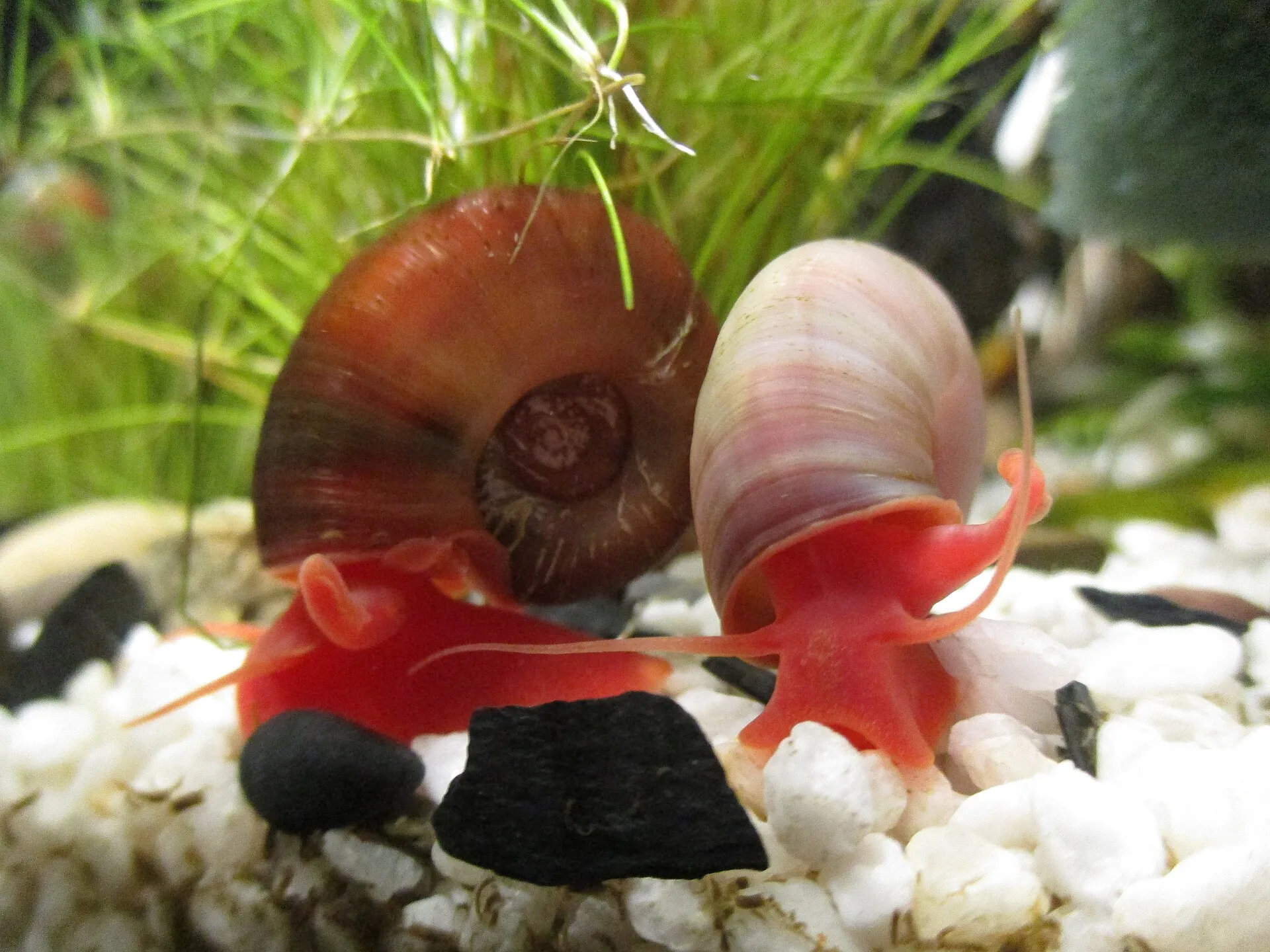
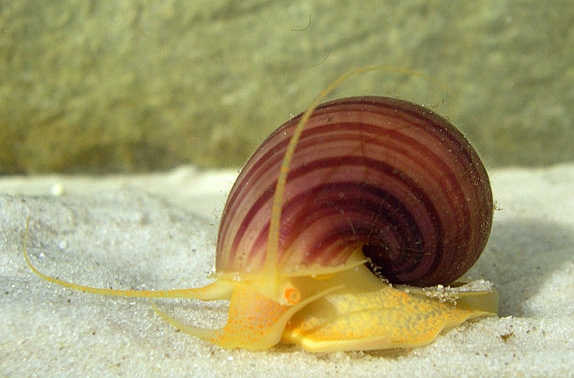
- A snail or two. Slow, armored, and nothing like a rival betta to look at, which is why snails are the usual pick at this size. Ramshorns are the easiest starting point, but they’re hermaphroditic and breed readily. “A snail or two” won’t stay two unless you thin them out. Nerites are the better fit on paper, since they can’t reproduce in fresh water and stay around an inch, but they eat algae and little else, so they’ll starve in a clean new tank. Save them for one that’s been running a few months.
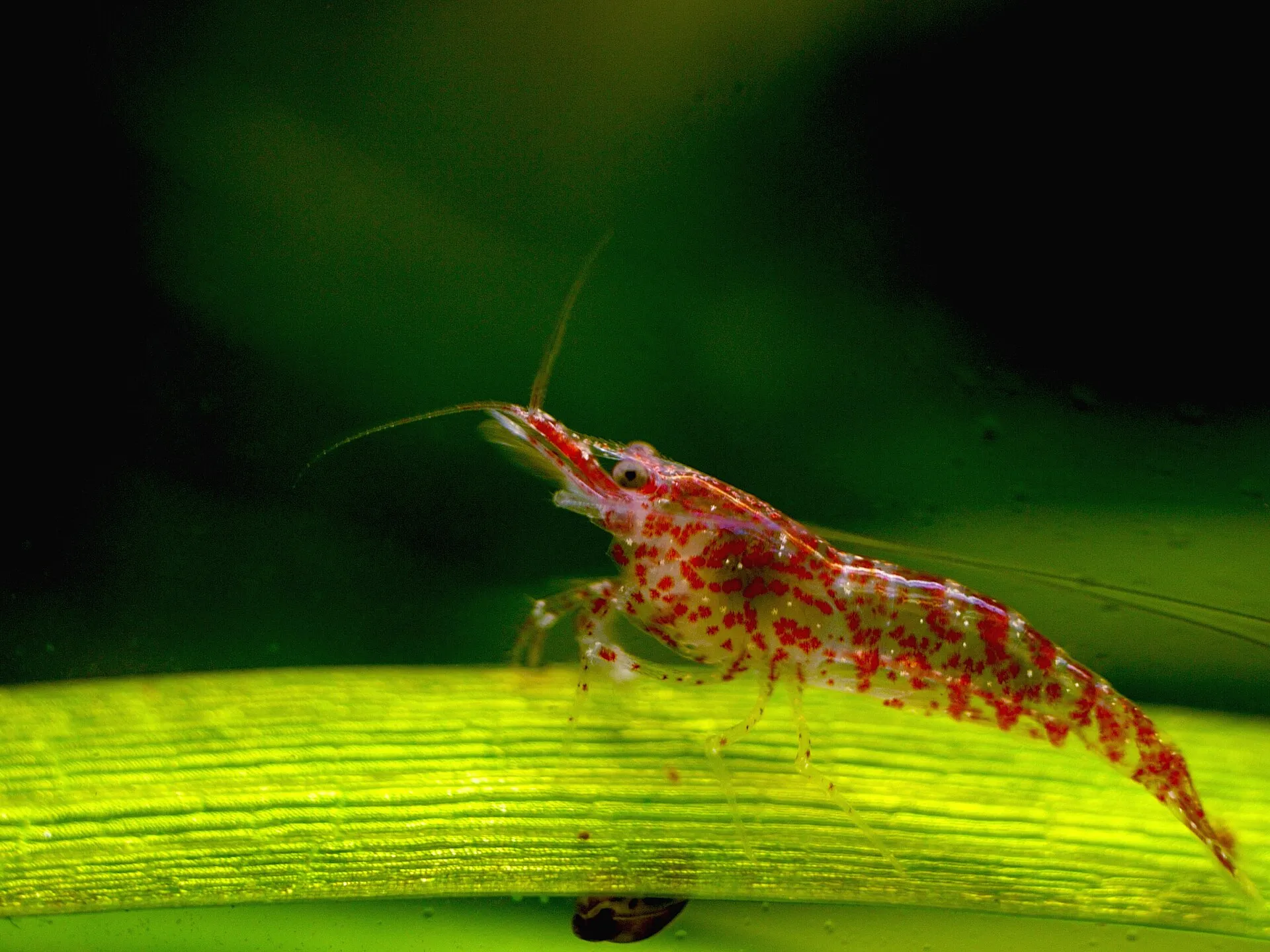
- A few shrimp, if your betta is mellow and the tank is densely planted. This one is genuinely hit-or-miss. Bettas often see smaller shrimp as food and will try to eat them, so treat it as an experiment, not a plan.
Stocking a 10-Gallon Betta Tank
Ten gallons is the smallest tank where a real community works, and even then it only has room for your betta plus one small group. The waste math is why: every added fish raises the ammonia load,¹ so one modest group is the ceiling. Pick a single addition and stock it properly.
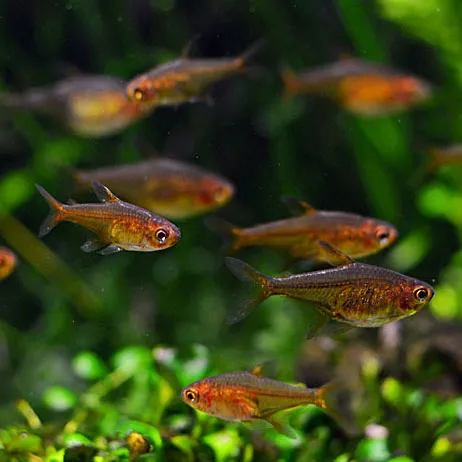
- A school of 8 ember tetras. Tiny (under an inch), fast, peaceful, and nothing like a rival betta in shape. Ember tetras are kept in a group of at least 8 to 10 so they feel secure, and their small size makes a group of 8 workable in a 10-gallon.⁹
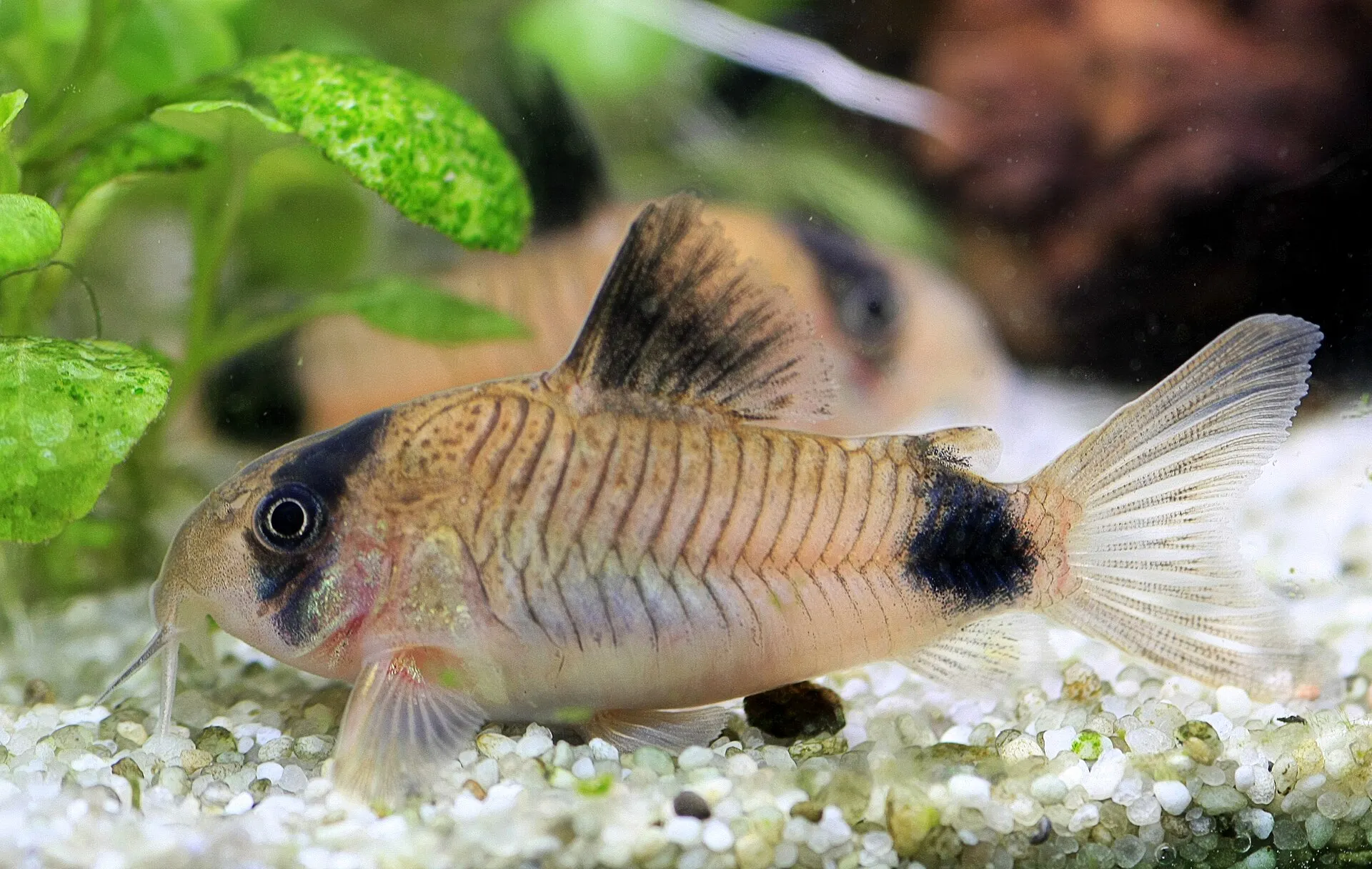
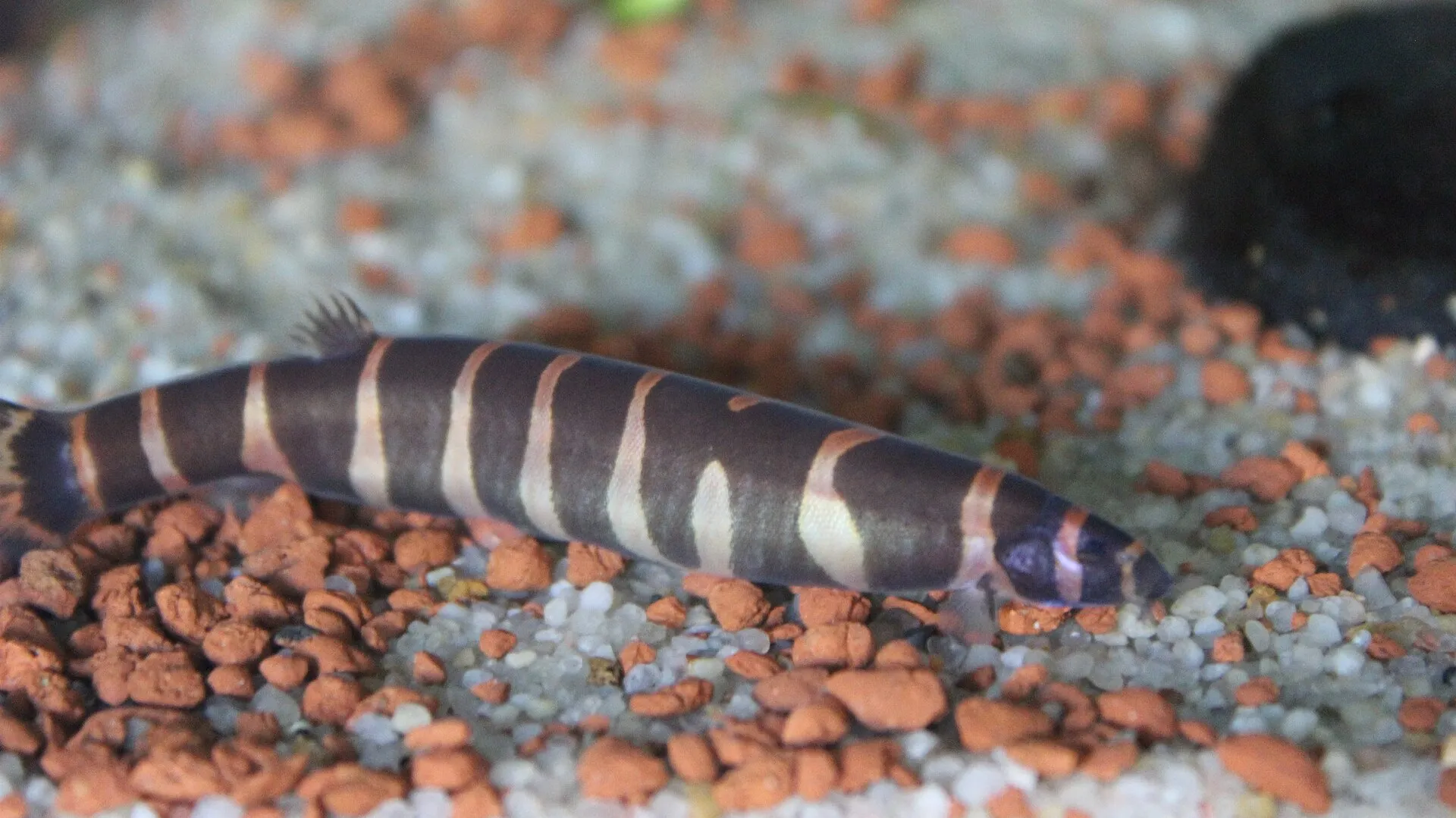
- A bottom group of 6 pygmy corydoras, or 3–4 kuhli loaches. Both stay in the lower tank and out of your betta’s way. Pygmy corydoras stay tiny (about an inch) and are peaceful and social; full-size cory species reach 2½ to 3½ inches and do better in a 20-gallon.¹⁰ Kuhli loaches are slender, secretive, and largely nocturnal.¹¹ Keep corydoras in groups of six or more.
Example build: 1 betta + 8 ember tetras + ramshorn snail. Balanced, peaceful, and within a 10-gallon’s capacity.
Read More: How to Cycle Your Betta Tank
Stocking a 20-Gallon Betta Tank
Twenty gallons is where a betta community really opens up. The extra water dilutes waste and buys you margin,³ and the extra floor space means more room for fish to spread out and de-escalate. You can now run two small groups plus a cleanup crew.
Pick one of these, rather than combining everything:
- The peaceful mid + bottom: betta + 8 ember tetras + 6 pygmy corydoras + 2 nerite snails.
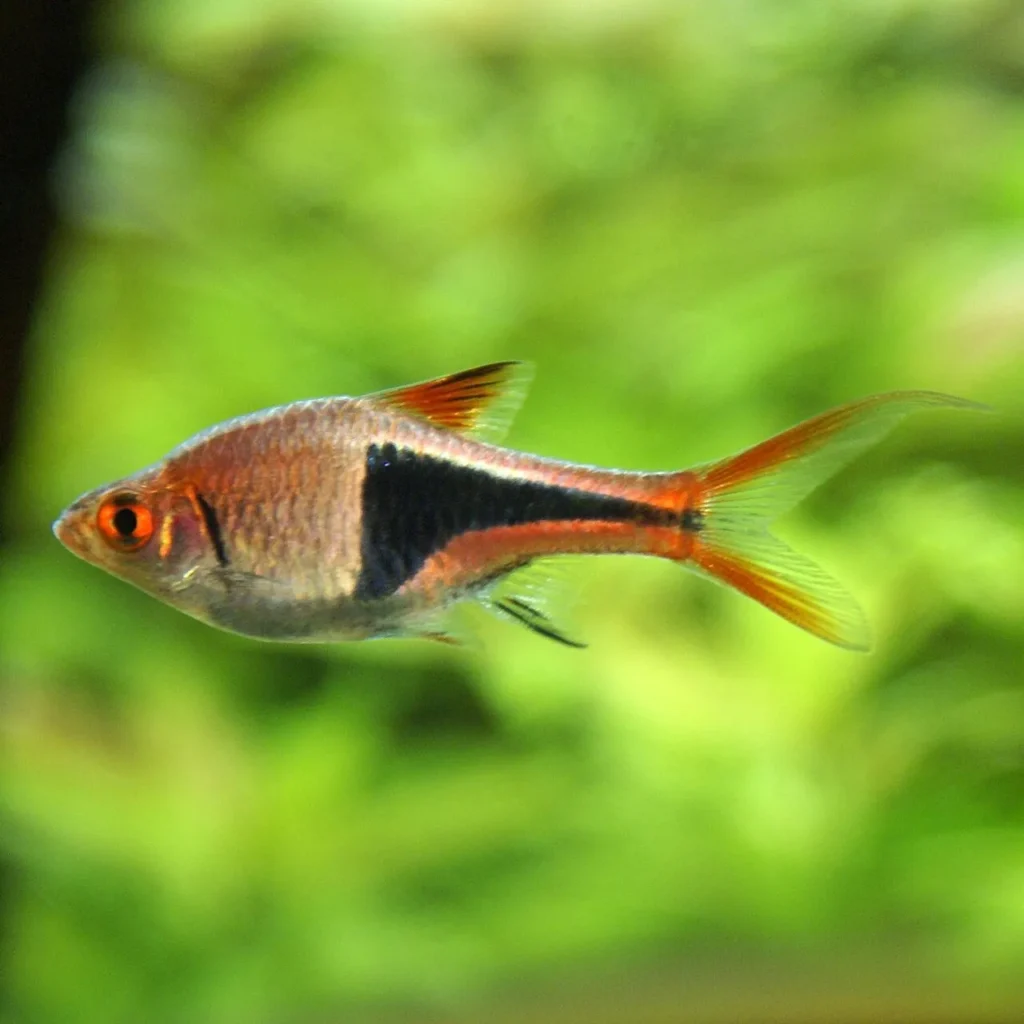
- The active community: betta + 8–10 harlequin rasboras + 4–6 kuhli loaches + a mystery snail. Harlequins do best in a group of 8 to 10,⁹ which a 20-gallon can give them and a 10 can’t.
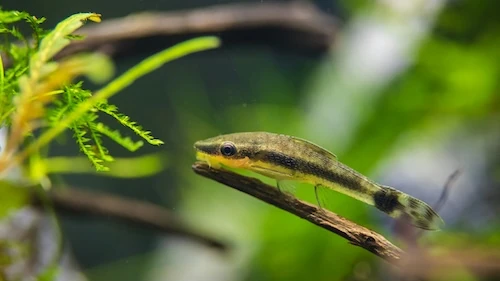
- The algae team: betta + 8 ember tetras + 4–6 otocinclus + snails. Otocinclus are peaceful algae grazers, but they’re sensitive and need a mature, established tank with a real algae supply, and are happiest in groups of six or more.
Even with the extra space, heavy planting and broken sight lines still matter. Cover reduces aggression and gives everyone a retreat.³ ⁶ And a bigger tank still isn’t a guarantee: your betta decides.
Read More: How to Set Up a Betta Tank
Stocking a 29-Gallon Tank (and the Sorority Question)
At 29 gallons and up, you have room for a fuller community while keeping the bioload comfortable. The same rules scale up: peaceful, non-nippy species, heavy planting, one betta.
This is also the size range where people start asking about sororities, groups of female bettas. Be careful here. Bettas are, as the research puts it, “largely nonsocial,”¹² and they haven’t evolved to tolerate living in close quarters as adults.¹³ Female groups form dominance hierarchies, and every time you add a new female, the fighting restarts to set a new pecking order. This is why the most stable sororities are the ones where the same females have been kept together long-term with no new additions, ideally raised together from a spawn.¹³
Research on stable mixed-sex betta communities points the same way: the groups that coexist are the ones raised together from before about 90 days of age,¹⁴ and fish cohoused from birth can often stay together long-term, though any individual that turns especially aggressive should be pulled.⁴
If you do attempt a sorority, keeper guidance is to start with at least five females, add them all at once, and provide plenty of hiding places to spread the aggression.¹³ Even then, expect some fin damage.
A sorority is an advanced, high-management setup, not a shortcut to keeping more bettas. Read the sorority section of our tank mates guide before you attempt one.
Does Male vs. Female Change Your Stocking?
For a community tank, not really. A male and a female betta both need the same peaceful, non-nippy tank mates, and neither should be housed with another betta in a standard community setup. Males are generally more aggressive, but females aren’t the peaceful community fish they’re sometimes made out to be. Both sexes show high aggression toward their own species,¹² and females hold their own dominance disputes.¹³
One thing worth knowing: bettas are largely nonsocial and don’t need tank mates for company. In choice tests, females actively avoided males.¹² So if your betta seems understimulated, the better fix is enrichment (adding plants, cover, a more interesting tank), not automatically another animal.
_-_29_Dec._2008.jpg)


